Address
Building 1, No. 22, Shexi Yongping Road,
Dongguan, Guangdong, China
Work Hours
Monday to Friday: 7AM - 7PM
Weekend: 10AM - 5PM
Address
Building 1, No. 22, Shexi Yongping Road,
Dongguan, Guangdong, China
Work Hours
Monday to Friday: 7AM - 7PM
Weekend: 10AM - 5PM
Supermarket refits work aisle by aisle while trading. This guide covers thickness from 2 mm to 12 mm, cage traffic, customer safety and a trial plan.
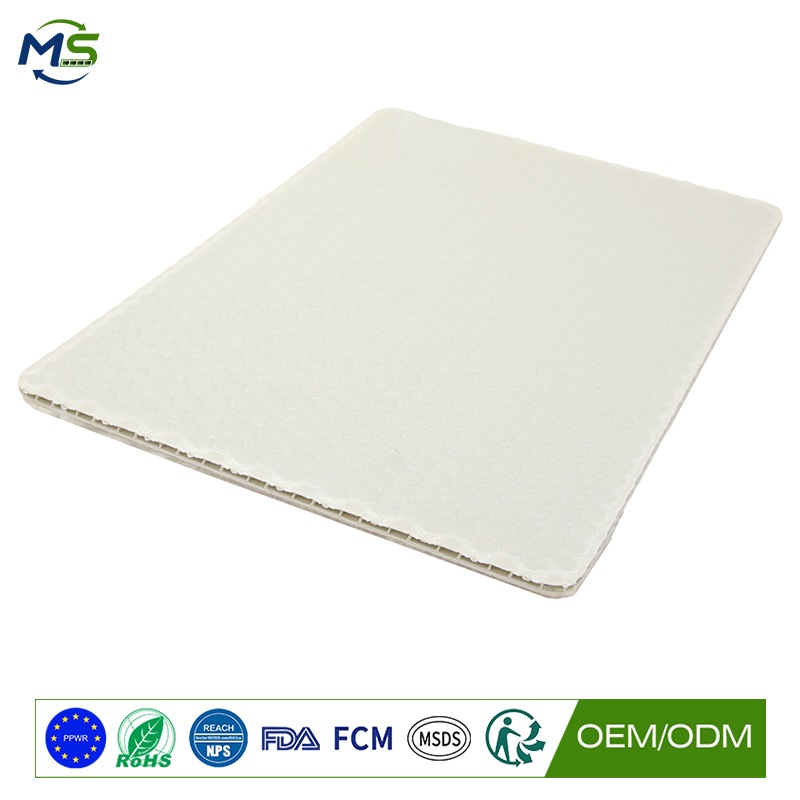
Supermarket refits happen aisle by aisle while the store trades, with customers, cages and deliveries sharing the same floor. The works area is never really separated from the sales area. This article looks at protecting supermarket floors during refits. The focus is customer-safe routes, cage traffic and overnight working around trading.
A supermarket refit moves through the store in sections, so the boundary between works and sales changes daily. Protection has to move with it and stay safe at the boundary.
A rigid PP honeycomb protection board lies flat and stays in place under cage wheels, which is the load that damages supermarket floors most.
Because the panels are wipe-clean, they can be maintained to the hygiene standard of a food retail environment even while works continue.
Supermarket floors carry roll cages, pallet trucks and deliveries, so the middle to upper part of the 2 mm to 12 mm range is typical for works routes.
For pedestrian diversions a mid thickness is enough. Where cages and pallet trucks cross, thicker boards protect the floor from the concentrated wheel loads that crack tiles.
| Board group | Typical thickness | Where it earns its place | Watch-outs |
|---|---|---|---|
| Light-duty panel | 2-3 mm | Pedestrian diversions away from cage routes | Fails under roll cages |
| General aisle panel | 4-6 mm | Supermarket aisles under refill and cage traffic | Finish edges before the store opens |
| Heavy-duty panel | 8-10 mm | Delivery routes and palletised stock movement | Check tile tolerance to wheel loads |
| Maximum protection | 12 mm | Plant moves during full store refits | Confirm slab capacity |
Keep customer routes complete and safe at all times, and finish every edge, because a lifted panel in a shopping aisle is a serious trip risk.
Plan cage routes so deliveries do not cross the customer route on an unprotected surface, and build transitions at thresholds and between floor finishes.
Work overnight where possible and inspect before the store opens each morning, photographing the same aisle points.
Cardboard crushes under cage wheels and absorbs spills, which makes it a hygiene problem in a food store as well as a protection failure.
Films curl and slide under cages, and plywood is heavy to move aisle by aisle and absorbs water from washdown.
A PP honeycomb board is light enough to move with the works front, resists water and gives real load spreading under cage wheels.
Protect one aisle and keep a comparable aisle on the current method. Inspect before opening each day and after each delivery window.
Run a loaded cage test over a sample panel for a set number of passes, then lift and check the floor beneath.
Record edge condition and how quickly protection could be moved between aisles, because in a trading store those determine the method.
State the floor finish, the cage and pallet truck loads, the refill sequence and whether the store trades during works. Ask for the recommended thickness for wheeled loads.
Ask for guidance on transitions, on hygiene cleaning, and about custom sizes for standard aisle widths.
For a quotation or sample panel, contact service@mingplastics.com or WhatsApp +86 189 3887 1524. Include the surface type, floor area, trades on site and expected duration so the recommended thickness, facing and fire performance can be confirmed before you order.
For supermarket refits, protect cage routes, keep customer areas complete and edge-safe, and inspect before the store opens every day.


