Address
Building 1, No. 22, Shexi Yongping Road,
Dongguan, Guangdong, China
Work Hours
Monday to Friday: 7AM - 7PM
Weekend: 10AM - 5PM
Address
Building 1, No. 22, Shexi Yongping Road,
Dongguan, Guangdong, China
Work Hours
Monday to Friday: 7AM - 7PM
Weekend: 10AM - 5PM
Archive floors carry shelving loads beside sensitive collections. This guide covers thickness from 2 mm to 12 mm, dust control and a collections trial plan.
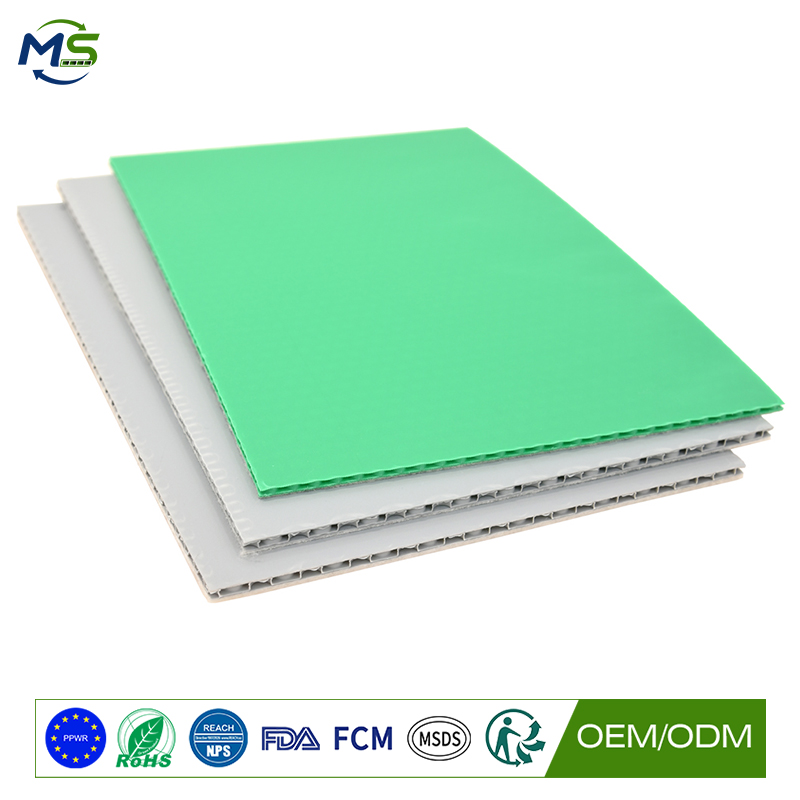
Libraries and archives combine heavy shelving loads with collections that cannot tolerate dust or moisture, and works usually happen around stock that stays in place. This article looks at protecting floors during library and archive works. The focus is dust control, shelving loads and protecting collection areas.
In an archive, dust and humidity are collection risks, so any material brought in must be non-shedding and must not hold moisture against surfaces near stock.
A PP honeycomb protection board is non-shedding and non-absorbing, which makes it viable in areas where paper, fabric and timber products would be rejected.
Because the boards lie flat and can be edge-finished, they do not generate the dust traps that curling sheet materials create.
Library and archive floors carry shelving, book trolleys and occasionally mobile shelving systems, so the middle to upper part of the 2 mm to 12 mm range is typical.
For pedestrian routes a mid thickness is enough. Where shelving and book trucks are moved, thicker boards protect the floor from concentrated wheel loads.
| Board group | Typical thickness | Where it earns its place | Watch-outs |
|---|---|---|---|
| Light-duty panel | 2-3 mm | Pedestrian routes through reading areas | Not for shelving or book truck loads |
| General stack panel | 4-6 mm | Stack aisles with book trucks and foot traffic | Conservation approval required |
| Heavy-duty panel | 8-10 mm | Shelving moves and mobile shelving installation | Confirm floor capacity for shelving loads |
| Maximum protection | 12 mm | Heavy shelving system installation | Confirm structural capacity before loading |
Protect routes used to move stock and shelving, and keep protection clear of collection material at all times, including stacked panels.
Confirm the fire performance required for the area, and whether the collection insurer or conservation team has material requirements.
Keep humidity management running: do not cover ventilation paths or create sealed pockets against the floor.
Cardboard and paper products are generally unacceptable near collections because they shed and absorb moisture.
Plywood sheds at cut edges, absorbs water and is heavy to move through narrow stack aisles.
Plastic sheeting traps moisture and dust. A PP honeycomb board is non-shedding, non-absorbing and light enough for narrow aisles.
Get approval from the conservation or collections team first, then protect one route and keep a comparable route on the current method.
Run a dust check: after a period of works, lift panels and inspect for debris and any effect on nearby collection areas.
Record the approval and inspection results, because in an archive that record supports collections care.
State the floor type, the shelving and trolley loads, the conservation requirements and the fire performance needed. Ask for confirmation that the board is non-shedding and non-absorbing.
Ask for documentation to support collections-area approval, and about custom sizes for stack aisle widths.
For a quotation or sample panel, contact service@mingplastics.com or WhatsApp +86 189 3887 1524. Include the surface type, floor area, trades on site and expected duration so the recommended thickness, facing and fire performance can be confirmed before you order.
In libraries and archives, get collections approval first, use non-shedding non-absorbing protection, and keep ventilation and humidity management running.


