Address
Building 1, No. 22, Shexi Yongping Road,
Dongguan, Guangdong, China
Work Hours
Monday to Friday: 7AM - 7PM
Weekend: 10AM - 5PM
Address
Building 1, No. 22, Shexi Yongping Road,
Dongguan, Guangdong, China
Work Hours
Monday to Friday: 7AM - 7PM
Weekend: 10AM - 5PM
Breweries need protection that is wet-safe, load-bearing and hygienic. This guide covers thickness from 2 mm to 12 mm, drainage and a beverage trial plan.
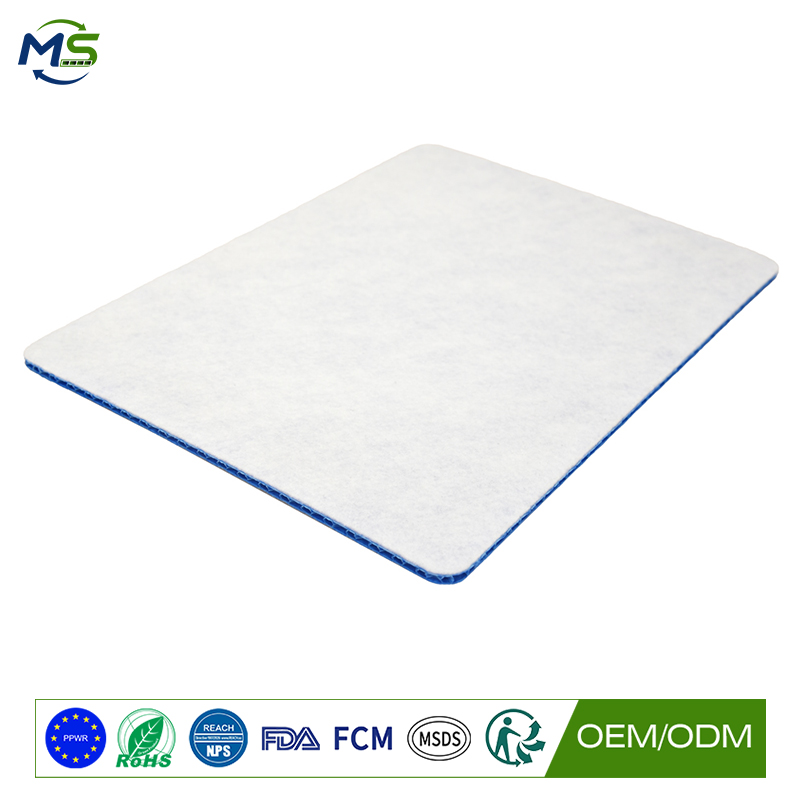
Breweries and beverage plants combine wet cleaning, heavy vessels and hygiene audits in one environment, so floor protection has to be water-resistant, load-bearing and cleanable all at once. This article looks at protecting floors in beverage production. The focus is washdown, vessel moves and audit-ready housekeeping.
A beverage plant washes down constantly, moves heavy vessels and is audited on hygiene, so protection must satisfy all three requirements rather than trading one against another.
A PP honeycomb protection board does not absorb water, spreads vessel loads and can be cleaned with the site’s agents, which is the combination the environment needs.
Confirm chemical compatibility with the site’s cleaning and process chemicals before specifying.
Beverage plants move vessels, kegs and palletised product, so the middle to upper part of the 2 mm to 12 mm range is typical.
For pedestrian routes a mid thickness is enough. Where vessels and kegs are moved, thicker boards protect the floor and any coating from concentrated loads.
| Board group | Typical thickness | Where it earns its place | Watch-outs |
|---|---|---|---|
| Light-duty panel | 2-3 mm | Pedestrian routes in production areas | Not for vessel or keg moves |
| General production panel | 4-6 mm | Brewery floors under works traffic | Keep drainage clear; clean on schedule |
| Heavy-duty panel | 8-10 mm | Keg and vessel movement routes | Check coating tolerance |
| Maximum protection | 12 mm | Vessel installation and heavy plant | Confirm slab capacity |
Keep drainage channels and gullies clear so washdown continues to work, and do not dam water against the floor at panel edges.
Protect vessel set-down and rolling routes, because kegs and vessels concentrate weight onto narrow contact lines.
Clean panels on the site’s schedule and keep a record, because an audit may ask how temporary materials were controlled during works.
Plywood absorbs water and product, delaminates and becomes a hygiene problem in a beverage plant.
Cardboard is unusable: it soaks, sheds and cannot be cleaned to a food-grade standard.
Matting works in specific standing areas but is not a temporary floor protection across a route. A PP honeycomb board is non-absorbing, cleanable and load spreading.
Protect one route and leave a comparable route on the current method. Inspect after each washdown and at each shift.
Run a keg or vessel move test over a sample panel, then lift and inspect the floor beneath.
Record drainage performance, cleaning logs and panel condition, because those support the hygiene audit.
State the floor and coating type, the cleaning chemicals, the vessel and keg loads and the drainage layout. Ask for the recommended thickness and confirm chemical and water resistance.
Ask for guidance on keeping drainage clear and on cleaning records for audits, plus custom sizes for production routes.
For a quotation or sample panel, contact service@mingplastics.com or WhatsApp +86 189 3887 1524. Include the surface type, floor area, trades on site and expected duration so the recommended thickness, facing and fire performance can be confirmed before you order.
In beverage plants, choose non-absorbing cleanable protection, keep drainage clear, protect keg and vessel routes, and keep cleaning records for audit.


