Address
Building 1, No. 22, Shexi Yongping Road,
Dongguan, Guangdong, China
Work Hours
Monday to Friday: 7AM - 7PM
Weekend: 10AM - 5PM
Address
Building 1, No. 22, Shexi Yongping Road,
Dongguan, Guangdong, China
Work Hours
Monday to Friday: 7AM - 7PM
Weekend: 10AM - 5PM
Footbridge works need light, secured protection on public routes at height. This guide covers thickness from 2 mm to 12 mm, wind restraint and a walkway trial plan.
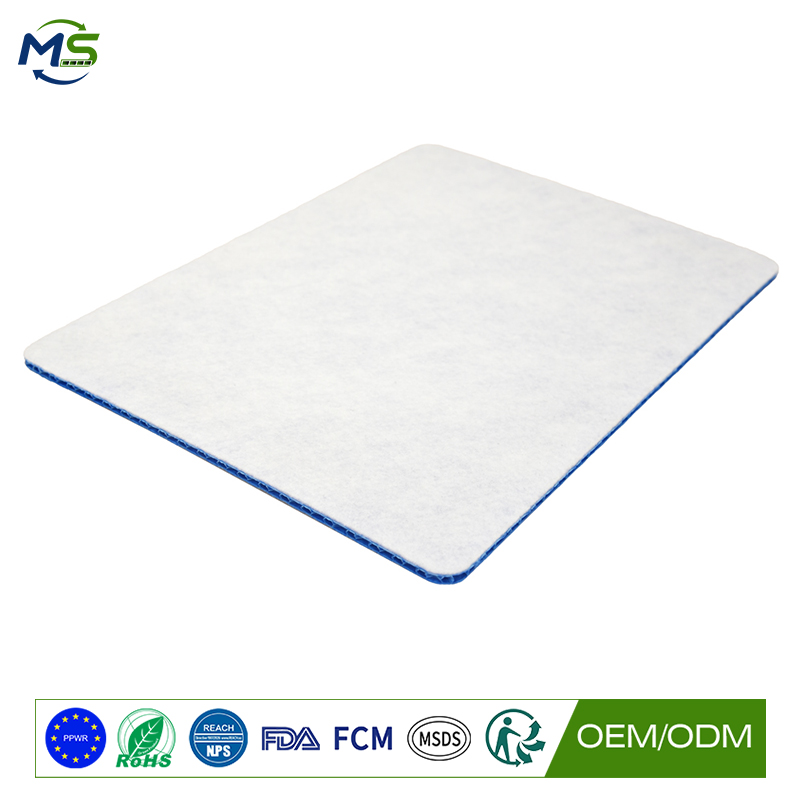
Footbridges and elevated walkways carry the public across structures where works are confined and escape is limited. Protection has to be safe underfoot, light to carry and secure against wind. This article looks at protecting walkway surfaces during works. The focus is public safety, wind restraint and light handling.
A footbridge is a public route with limited width and often significant exposure. Anything placed on it must stay put and must not create a slip or trip hazard.
A rigid PP honeycomb protection board lies flat, and with a faced surface it gives better underfoot grip than smooth sheeting.
Restraint is the critical detail: loose panels on an exposed walkway become a hazard to people below as well as above.
Walkway works involve foot traffic, tools and occasionally materials, so the thinner to middle part of the 2 mm to 12 mm range is typical, since profile and weight both matter.
For pedestrian protection a mid thickness is enough. Where materials and equipment cross a walkway, thicker boards spread the loads.
| Board group | Typical thickness | Where it earns its place | Watch-outs |
|---|---|---|---|
| Light-duty panel | 2-3 mm | Pedestrian protection on walkways | Not for equipment or materials |
| General walkway panel | 4-6 mm | Footbridge surfaces under works traffic | Secure against wind; maintain clear width |
| Heavy-duty panel | 8-10 mm | Material and equipment crossing a walkway | Check deck capacity and width |
| Maximum protection | 12 mm | Heavy plant crossing an elevated route | Usually inappropriate; confirm structurally |
Secure every panel against wind, and inspect before and after each working period and after any weather event.
Keep drainage and expansion joints clear, and do not cover movement joints in the deck.
Maintain the required clear width for the public and keep escape routes unobstructed, because on a bridge there are limited alternatives.
Plywood is heavy to carry onto a bridge, absorbs water and can warp, and its edges are a trip risk on a narrow route.
Sheeting slides and is dangerous on an exposed walkway. Matting works for pedestrian comfort but is heavy and usually permanent.
A PP honeycomb board is light to carry, lies flat and can be secured, which suits an elevated public route.
Protect one section and leave a comparable section on the current method. Inspect before and after each working period.
Run a wind check: leave panels secured through a windy period and inspect for movement.
Record clear width, restraint performance and any public feedback, because on a public route those are the measures that matter.
State the deck surface, the exposure, the required clear width and the fire performance needed. Ask for the recommended thickness and for guidance on restraint.
Ask about faced options for grip and about custom sizes for walkway widths.
For a quotation or sample panel, contact service@mingplastics.com or WhatsApp +86 189 3887 1524. Include the surface type, floor area, trades on site and expected duration so the recommended thickness, facing and fire performance can be confirmed before you order.
On footbridges, prioritise restraint, grip and clear width: secure panels against wind, keep escape routes open and inspect before and after every working period.


