Address
Building 1, No. 22, Shexi Yongping Road,
Dongguan, Guangdong, China
Work Hours
Monday to Friday: 7AM - 7PM
Weekend: 10AM - 5PM
Address
Building 1, No. 22, Shexi Yongping Road,
Dongguan, Guangdong, China
Work Hours
Monday to Friday: 7AM - 7PM
Weekend: 10AM - 5PM
Bakeries combine flour dust, heat and heavy equipment. This guide covers thickness from 2 mm to 12 mm, dust control and a bakery trial plan.
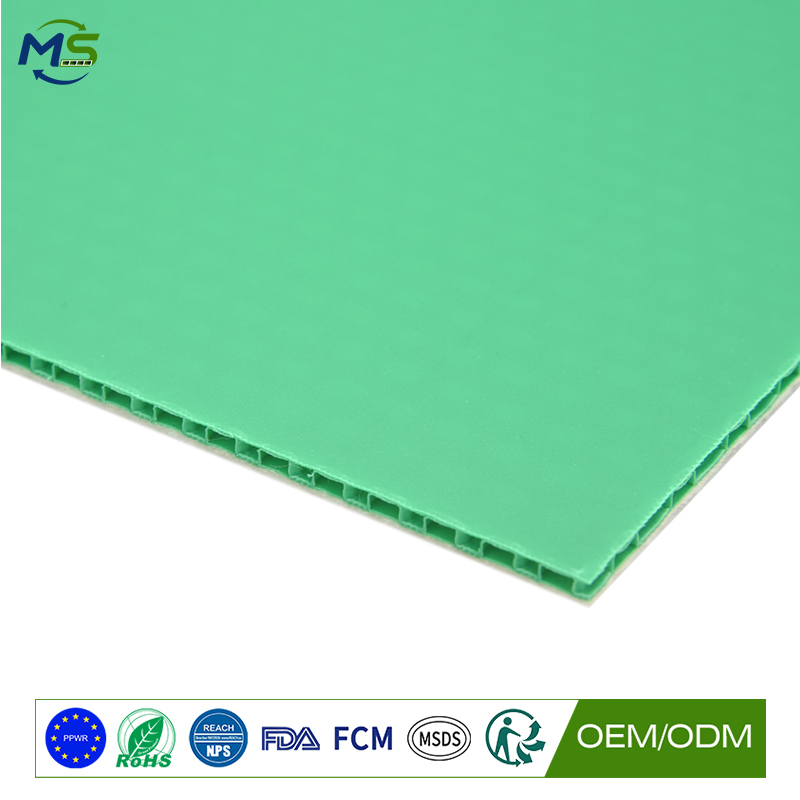
Bakeries combine fine flour dust, heat and heavy ovens and mixers with washdown cleaning. Flour behaves like grit under a covering, and heat changes how materials behave. This article looks at protecting bakery floors. The focus is dust control, heat and heavy equipment moves.
Flour is fine, mobile and, under a sliding covering, acts exactly like site grit. It also has its own handling and safety considerations in quantity.
A rigid PP honeycomb protection board that stays put keeps flour on the surface where it can be swept, rather than letting it work under the panel and polish the floor.
Because the boards are non-absorbing and wipe-clean, they suit a bakery’s cleaning regime.
Bakery floors carry ovens, mixers, racks and palletised ingredient deliveries, so the middle to upper part of the 2 mm to 12 mm range is typical.
For pedestrian routes a mid thickness is enough. Where ovens and mixers are moved in, thicker boards spread the loads that would otherwise damage the floor.
| Board group | Typical thickness | Where it earns its place | Watch-outs |
|---|---|---|---|
| Light-duty panel | 2-3 mm | Pedestrian routes in bakery areas | Not for oven or mixer moves |
| General bakery panel | 4-6 mm | Production routes with rack and trolley traffic | Sweep flour from seams; keep drainage clear |
| Heavy-duty panel | 8-10 mm | Oven and mixer installation routes | Build transitions at level changes |
| Maximum protection | 12 mm | Heaviest equipment and plant installation | Confirm floor capacity |
Confirm the temperature behaviour of any protection near ovens and hot equipment, and keep panels clear of heat sources unless the supplier has confirmed suitability.
Protect the route for oven and mixer installation, including thresholds and any level changes, with transitions built rather than steps.
Keep drainage clear for washdown, and do not let water pond at panel edges after cleaning.
Cardboard absorbs moisture, sheds and adds combustible dust to a bakery environment, which is a poor combination.
Plywood absorbs washdown water and is heavy to move around equipment. Sheeting slides on flour-dusted floors and traps moisture.
A PP honeycomb board is non-absorbing, cleanable and spreads equipment loads, which suits a bakery better than any of the alternatives.
Protect one route and leave a comparable route on the current method. Inspect after each cleaning cycle and after equipment moves.
Run an equipment move over a sample panel, then lift and check the floor beneath.
Record flour accumulation at seams and panel condition, because in a bakery those determine whether the method works.
State the floor type, the equipment weights, the cleaning regime, any heat exposure and the fire performance required. Ask for the recommended thickness for equipment moves.
Confirm water resistance and suitability near heat, and ask about custom sizes for production routes.
For a quotation or sample panel, contact service@mingplastics.com or WhatsApp +86 189 3887 1524. Include the surface type, floor area, trades on site and expected duration so the recommended thickness, facing and fire performance can be confirmed before you order.
In bakeries, keep flour above the protection, confirm suitability near heat, protect equipment routes with transitions, and keep drainage clear for washdown.


