Address
Building 1, No. 22, Shexi Yongping Road,
Dongguan, Guangdong, China
Work Hours
Monday to Friday: 7AM - 7PM
Weekend: 10AM - 5PM
Address
Building 1, No. 22, Shexi Yongping Road,
Dongguan, Guangdong, China
Work Hours
Monday to Friday: 7AM - 7PM
Weekend: 10AM - 5PM
External paving fails under loads on a flexible bed. This guide covers thickness from 2 mm to 12 mm, drainage, weather and a paving trial plan.
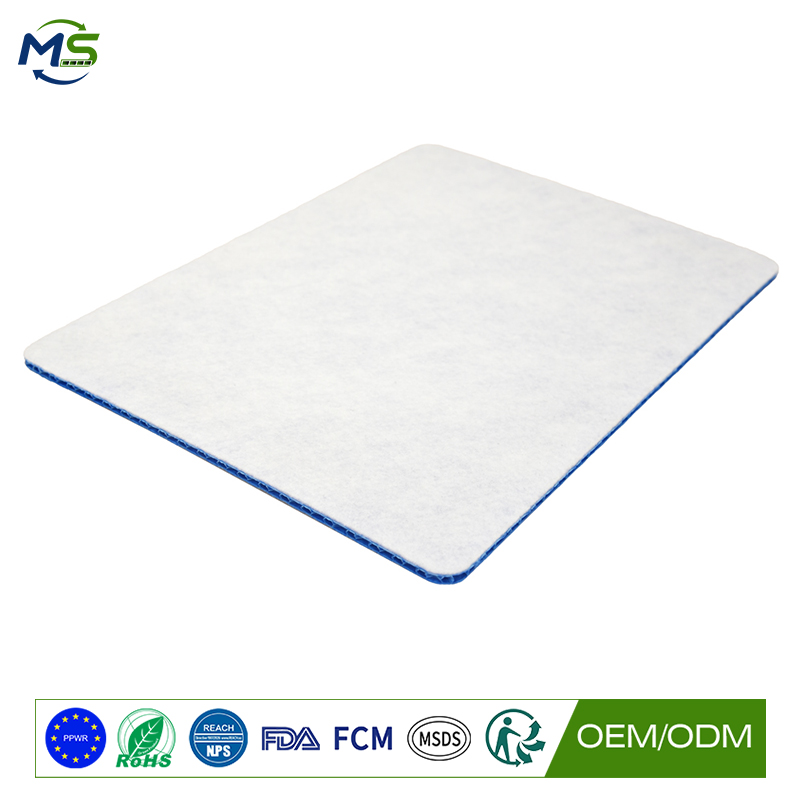
External paving and courtyards are used as site routes and storage, then handed over as landscaping. Pavers crack, stain and shift under loads they were never meant to take. This article looks at protecting external hard landscaping during works. The focus is load spreading on flexible beds, weather and reinstatement.
A paved surface is only as good as the bed beneath it. Concentrated loads from plant, materials and vehicles crack pavers and disturb the laying course, and the damage is usually widespread rather than local.
A rigid PP honeycomb protection board spreads loads across more pavers, which keeps individual units and the bed beneath them within what they can take.
Because the panels do not absorb water, they can be lifted after rain and dried rather than holding moisture against the surface.
External routes carry vehicles, plant and materials, so the middle to upper part of the 2 mm to 12 mm range is typical.
For pedestrian routes a mid thickness is enough. Where vehicles and plant cross the paving, the thicker boards give the spreading that prevents cracked and rocking pavers.
| Board group | Typical thickness | Where it earns its place | Watch-outs |
|---|---|---|---|
| Light-duty panel | 2-3 mm | Pedestrian routes across paving | Not for vehicles or plant |
| General paving panel | 4-6 mm | Courtyards under foot traffic and light trolleys | Secure against wind; keep drainage clear |
| Heavy-duty panel | 8-10 mm | Vehicle routes and material storage on paving | Check paving and bed tolerance |
| Maximum protection | 12 mm | Plant and heavy deliveries over hard landscaping | Confirm the bed can take the load |
Keep drainage gullies and channels clear, and do not dam surface water against the paving at panel edges.
Secure panels against wind in open courtyards, and inspect after bad weather.
Plan reinstatement: lift panels, clean the paving and record condition before handover, because landscaping is judged at completion.
Plywood absorbs water, warps outdoors and becomes a handling hazard after rain.
Sheeting traps water, blows about and offers no load spreading. A gravel or sand blanket spreads load but contaminates the paving and has to be removed.
A PP honeycomb board is non-absorbing, light to place and lifts cleanly, which suits a surface that has to be handed over as landscaping.
Protect one route and leave a comparable route on the current method. Inspect after vehicle use and after rain.
Run a loaded wheel test over a sample panel, then lift and check for cracked or rocking pavers.
Record reinstatement condition, because external landscaping is assessed at handover rather than during works.
State the paving type and bed, the vehicle and plant loads, the drainage layout and the exposure. Ask for the recommended thickness for vehicle loads on a flexible bed.
Ask for guidance on securing against wind and on reinstatement cleaning, plus custom sizes for standard paving grids.
For a quotation or sample panel, contact service@mingplastics.com or WhatsApp +86 189 3887 1524. Include the surface type, floor area, trades on site and expected duration so the recommended thickness, facing and fire performance can be confirmed before you order.
On paving, spread loads across more units, keep drainage clear, secure panels against wind and plan the reinstatement clean before handover.


