Address
Building 1, No. 22, Shexi Yongping Road,
Dongguan, Guangdong, China
Work Hours
Monday to Friday: 7AM - 7PM
Weekend: 10AM - 5PM
Address
Building 1, No. 22, Shexi Yongping Road,
Dongguan, Guangdong, China
Work Hours
Monday to Friday: 7AM - 7PM
Weekend: 10AM - 5PM
Window replacement damages floors on the carry route. This guide covers thickness from 2 mm to 12 mm, sills, debris control and a trial plan.
Window replacement works from inside and outside at once, with units lifted through finished rooms and tools set down on sills and floors. The interior risk is usually underestimated. This article looks at protecting surfaces during window replacement. The focus is lifting units through, protecting sills and managing debris.
A replacement window unit is heavy, awkward and usually carried through a finished room to reach the opening. That carry is the highest-risk moment for floors, sills and joinery.
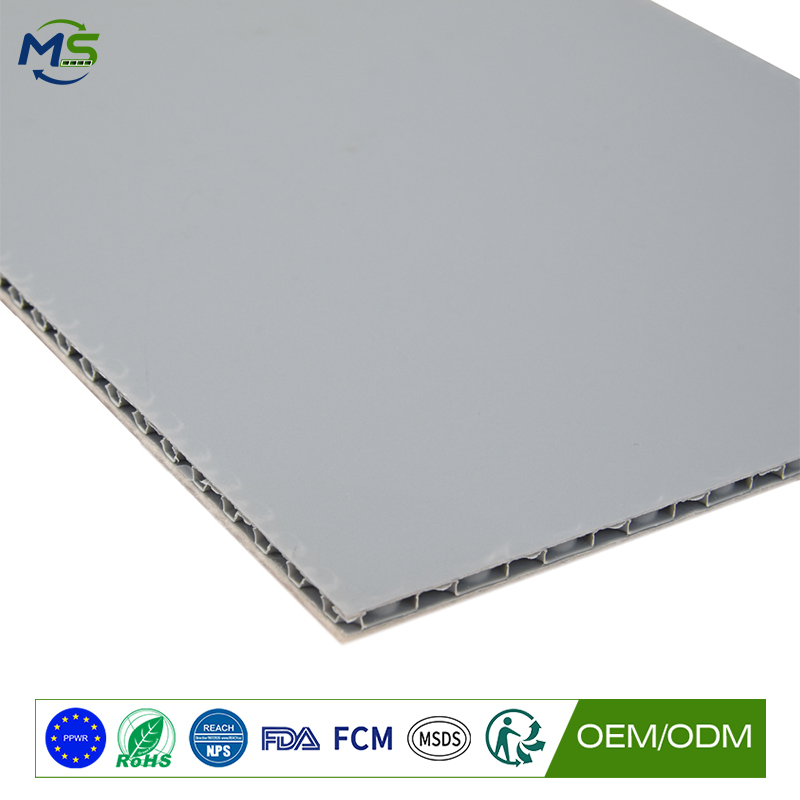
A rigid PP honeycomb protection board protects the route and gives installers somewhere to set units down without damaging the floor.
The felt or fleece facing protects sills and reveal finishes where units are rested during fitting.
Window works involve foot traffic, tools and unit set-down, so the thinner to middle part of the 2 mm to 12 mm range is usually sufficient indoors.
For routes and general protection a mid thickness is enough. Where heavy units are set down, thicker boards spread the load.
| Board group | Typical thickness | Where it earns its place | Watch-outs |
|---|---|---|---|
| Light-duty panel | 2-3 mm | Sills, reveals and light foot traffic | Compresses under unit weight |
| General route panel | 4-6 mm | Routes and floors during window works | Contain debris; vacuum before moving panels |
| Heavy-duty panel | 8-10 mm | Heavy unit set-down and storage | Check floor tolerance |
| Maximum protection | 12 mm | Very large units and commercial curtain wall | Confirm floor capacity |
Protect the internal sill and reveal, because that is where units are rested and where tools mark the finish.
Contain debris: old frame removal generates dust, screws and glass fragments that become grit under any protection.
Keep the route to the skip or van protected as well, since removals and deliveries use the same path repeatedly.
Dust sheets catch debris but soak, bunch and offer no load protection when a unit is set down.
Cardboard crushes under unit weight and absorbs water if the weather turns during the replacement.
Films protect finished surfaces but not floors. A PP honeycomb board protects both, is non-absorbing and can be reused across every opening on the job.
Protect the route and sill in one room and leave a comparable room on the current method. Inspect after each opening is replaced.
Run a set-down test with the heaviest unit on a sample panel, then lift and check the floor.
Record sill and reveal condition at completion, because those are the details clients notice first.
State the floor and joinery finishes, the unit weights, the number of openings and whether occupants are present. Ask for the recommended thickness and a faced option for sills.
Ask for guidance on debris control and about custom sizes for repeated window openings.
For a quotation or sample panel, contact service@mingplastics.com or WhatsApp +86 189 3887 1524. Include the surface type, floor area, trades on site and expected duration so the recommended thickness, facing and fire performance can be confirmed before you order.
Protect the carry route, the sill and the reveal, contain debris before it becomes grit, and give installers a protected place to set units down.


