Address
Building 1, No. 22, Shexi Yongping Road,
Dongguan, Guangdong, China
Work Hours
Monday to Friday: 7AM - 7PM
Weekend: 10AM - 5PM
Address
Building 1, No. 22, Shexi Yongping Road,
Dongguan, Guangdong, China
Work Hours
Monday to Friday: 7AM - 7PM
Weekend: 10AM - 5PM
Greenhouses and farm buildings are wet, corrosive and uneven. This guide covers thickness from 2 mm to 12 mm, drainage and an agricultural trial plan.
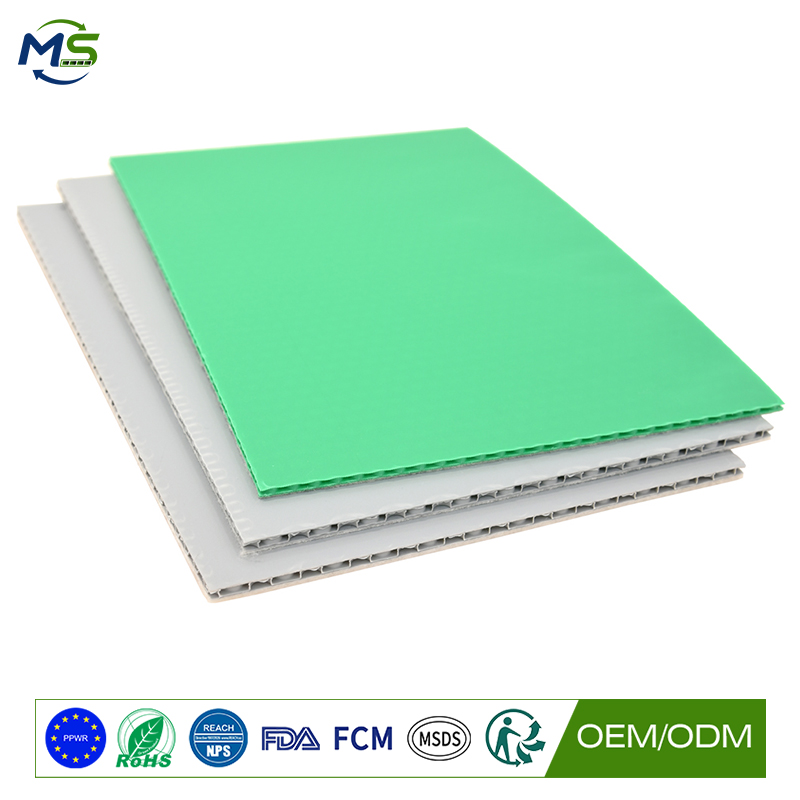
Greenhouses and agricultural buildings are wet, corrosive and often have uneven or permeable floors, which rules out most conventional protection. Works happen around livestock, crops and harvest schedules. This article looks at protecting floors in agricultural environments. The focus is moisture, corrosion and uneven substrates.
Agricultural floors are often concrete, screeded or simply compacted, and they are regularly wet with water and organic matter. Absorbent protection fails within days.
A PP honeycomb protection board does not absorb water and resists corrosion better than metal or timber alternatives, which suits a wet agricultural building.
On uneven ground, a thicker board bridges minor variations better than a thin one that follows every dip.
Agricultural works involve machinery, produce carts and equipment, so the middle to upper part of the 2 mm to 12 mm range is typical.
For pedestrian routes a mid thickness is enough. Where machinery and loaded carts cross, thicker boards spread the loads and bridge uneven ground.
| Board group | Typical thickness | Where it earns its place | Watch-outs |
|---|---|---|---|
| Light-duty panel | 2-3 mm | Dry pedestrian routes in farm buildings | Bridges uneven ground poorly |
| General agricultural panel | 4-6 mm | Produce cart and foot traffic routes | Keep drainage clear; rinse between zones |
| Heavy-duty panel | 8-10 mm | Machinery and loaded cart movement | Check ground condition first |
| Maximum protection | 12 mm | Heavy equipment installation on uneven floors | Bridges dips; confirm ground capacity |
Keep drainage channels and slurry or washdown paths clear, because blocking them in an agricultural building creates both a hygiene and a safety problem.
Clean panels between zones to avoid carrying organic matter and contamination from one area to another.
Plan works around feeding, harvesting and livestock movements, and clear or secure protection before those activities resume.
Plywood absorbs water and organic matter, rots and becomes a contamination risk in an agricultural building.
Metal plate corrodes in these conditions and is heavy to move. Plastic sheeting traps water and is slippery on a wet floor.
A PP honeycomb board resists moisture and corrosion, lies flat and can be rinsed between zones, which suits farm conditions.
Protect one route and leave a comparable route on the current method. Inspect after washdown and after any machinery movement.
Run a loaded cart test over a sample panel on the actual ground conditions, then lift and inspect.
Record drainage performance and how the panels handled wet conditions, because those decide the method on a farm.
State the floor type and condition, whether it is uneven, what will cross it and the hygiene requirements. Ask for the recommended thickness for uneven ground.
Confirm water and corrosion resistance, and ask about custom sizes for standard building layouts.
For a quotation or sample panel, contact service@mingplastics.com or WhatsApp +86 189 3887 1524. Include the surface type, floor area, trades on site and expected duration so the recommended thickness, facing and fire performance can be confirmed before you order.
In agricultural buildings, use non-absorbing corrosion-resistant protection, keep drainage and washdown paths clear, and choose a thickness that bridges uneven ground.


