Address
Building 1, No. 22, Shexi Yongping Road,
Dongguan, Guangdong, China
Work Hours
Monday to Friday: 7AM - 7PM
Weekend: 10AM - 5PM
Address
Building 1, No. 22, Shexi Yongping Road,
Dongguan, Guangdong, China
Work Hours
Monday to Friday: 7AM - 7PM
Weekend: 10AM - 5PM
Restaurant refits run between services with grease and water. This guide covers thickness from 2 mm to 12 mm, daily cycles and a restaurant trial plan.
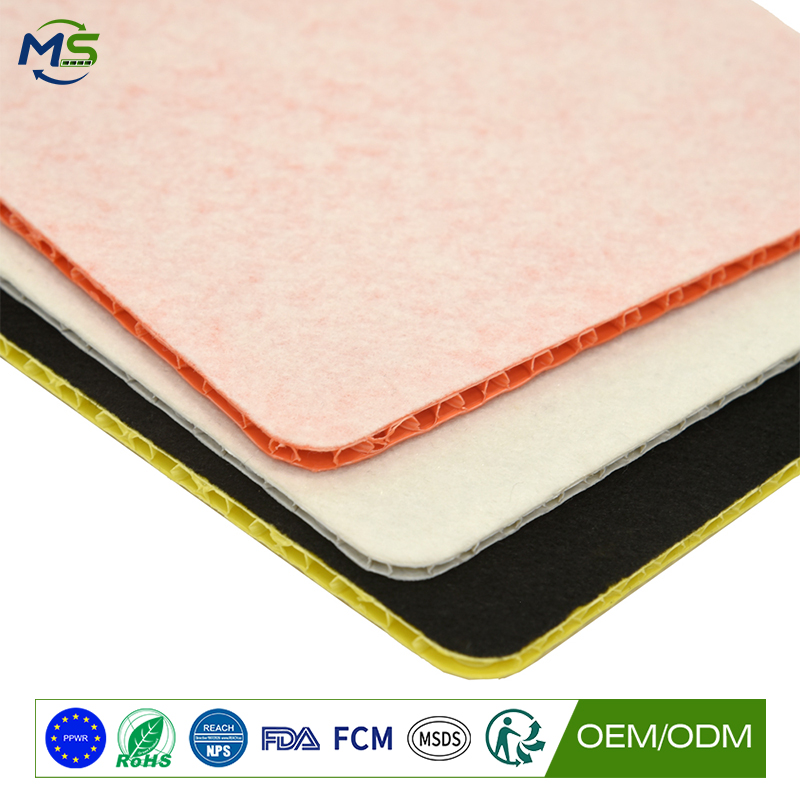
Restaurant refits happen between services, so protection is laid and cleared daily, and the floor has to be clean and safe before the first cover. Grease, water and constant cleaning make it a demanding environment. This article looks at protecting restaurant floors during refits. The focus is daily cycles, grease and water, and reopening on time.
A restaurant refit that keeps trading runs on a daily cycle: work, clean, reopen. Protection must fit that cycle rather than slow it down.
A PP honeycomb protection board is light enough to place and clear quickly and can be wiped clean, which suits a floor that is cleaned every day.
Because the panels do not absorb water or grease, they can be cleaned with the kitchen’s agents and re-laid the next day.
Restaurant floors carry foot traffic, trolleys and kitchen equipment, so the middle part of the 2 mm to 12 mm range is typical.
For dining room works a mid thickness is enough. Where kitchen equipment and refrigeration units are moved, thicker boards protect the floor from concentrated loads.
| Board group | Typical thickness | Where it earns its place | Watch-outs |
|---|---|---|---|
| Light-duty panel | 2-3 mm | Dining room works with foot traffic only | Not for kitchen equipment moves |
| General dining panel | 4-6 mm | Dining floors under refit traffic | Clean before each service |
| Heavy-duty panel | 8-10 mm | Kitchen equipment and refrigeration moves | Confirm floor tolerance to point loads |
| Maximum protection | 12 mm | Heavy kitchen plant installation | Confirm slab capacity |
Confirm cleaning agent compatibility and clean panels on the same schedule as the floor, because a greasy protection layer is a slip hazard in a service area.
Keep drainage and any floor gullies clear so washdown continues to work during the refit.
Finish edges and seams before service, and inspect at the end of each working day, because a shifted panel during service is both a trip and a hygiene problem.
Cardboard absorbs grease and water and is unusable after a single day in a kitchen environment.
Plywood is heavy to move in and out daily and absorbs water at the edges. Carpet runners absorb grease and slide on a hard floor.
A PP honeycomb board is non-absorbing, wipe-clean and light, which suits a daily lay and clear cycle in a food service environment.
Protect one zone and keep a comparable zone on the current method. Inspect before each service and after each work period.
Run a cleaning test with the kitchen’s degreaser on a sample panel, then check the floor beneath for residue.
Record lay and clear time per day and how the panels handled grease, because in a trading restaurant those determine whether the method survives the programme.
State the floor finish, the kitchen equipment loads, the cleaning agents and whether the restaurant keeps trading. Ask for the recommended thickness and confirm resistance to grease and water.
Ask for guidance on keeping gullies clear and on daily cleaning, plus custom sizes for the dining room layout.
For a quotation or sample panel, contact service@mingplastics.com or WhatsApp +86 189 3887 1524. Include the surface type, floor area, trades on site and expected duration so the recommended thickness, facing and fire performance can be confirmed before you order.
For restaurant refits, choose protection that fits the daily cycle: light, wipe-clean, resistant to grease, and cleared and inspected before every service.


