Address
Building 1, No. 22, Shexi Yongping Road,
Dongguan, Guangdong, China
Work Hours
Monday to Friday: 7AM - 7PM
Weekend: 10AM - 5PM
Address
Building 1, No. 22, Shexi Yongping Road,
Dongguan, Guangdong, China
Work Hours
Monday to Friday: 7AM - 7PM
Weekend: 10AM - 5PM
Entrances combine grit, water and the heaviest traffic. This guide covers thickness from 2 mm to 12 mm, grit control, presentation and an entrance trial plan.
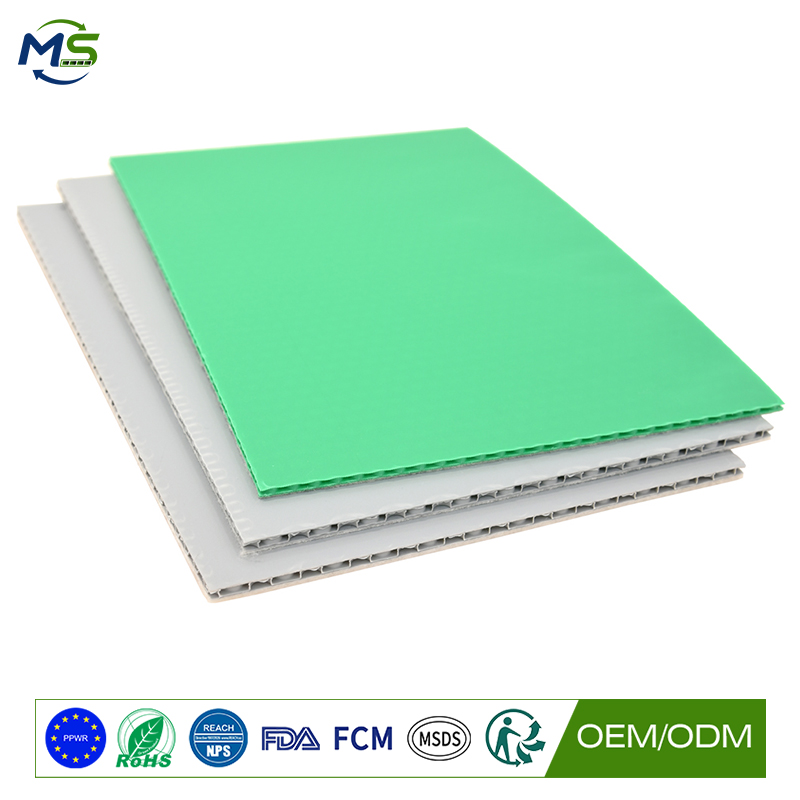
Entrances carry the heaviest traffic and make the strongest impression, so protection there has to work and look acceptable at the same time. Rain, grit and delivery trolleys all arrive through the same door. This article looks at protecting entrance areas and vestibules. The focus is grit and moisture, presentable protection and keeping the entrance open.
An entrance is where external grit and rain meet an internal finish, and every person and trolley passes through. The combination of abrasive grit and moisture is what dulls polished stone and damages floor finishes fastest.
A rigid PP honeycomb protection board traps grit on top where it can be swept, rather than letting it work under a film and polish the surface.
Because the panels do not absorb water, they can be lifted, dried and cleaned so the entrance stays presentable.
Entrances carry foot traffic, luggage and delivery trolleys, so the middle part of the 2 mm to 12 mm range is usually right.
For foot traffic a mid thickness is enough. Where trolleys and deliveries pass through regularly, thicker boards protect against the wheeled loads that damage stone and tile at the threshold.
| Board group | Typical thickness | Where it earns its place | Watch-outs |
|---|---|---|---|
| Light-duty panel | 2-3 mm | Vestibules with foot traffic only | Fails under trolley traffic |
| General entrance panel | 4-6 mm | Entrances with foot traffic and luggage trolleys | Finish edges; clean on schedule |
| Heavy-duty panel | 8-10 mm | Delivery trolleys and regular wheeled traffic | Check threshold detail |
| Maximum protection | 12 mm | Heavy deliveries through the main entrance | More than standard entrance work needs |
Maintain a clear, safe path at all times, and finish edges so nothing trips anyone entering the building.
Clean panels on the same schedule as the entrance floor, because a dirty protection layer in a visible entrance is worse than none.
Use matting at the external side to capture grit before it reaches the boards, and lift and clean both regularly.
Entrance matting is the correct permanent solution for grit and moisture, but it does not protect against trolley loads and is not a temporary covering.
Films and carpet runners look acceptable initially but curl, slide and hold moisture at the threshold, which damages the very surface they were protecting.
A PP honeycomb board lies flat, stays put under trolleys and is re-usable, which suits an entrance that has to keep working and looking acceptable.
Protect one entrance and leave a comparable one on the current method. Inspect daily, including under the panels, and photograph the same points.
Run a grit test: allow normal foot traffic for a set period, then lift and check whether grit reached the floor beneath.
Record cleanliness and edge condition, because in an entrance those are the measures that matter to the client.
State the floor finish, the threshold detail, the traffic type and whether the entrance is exposed to weather. Ask for the recommended thickness and facing, and confirm the board does not absorb water.
Ask for guidance on edge finishing and cleaning, and about custom sizes and colours for visible entrance areas.
For a quotation or sample panel, contact service@mingplastics.com or WhatsApp +86 189 3887 1524. Include the surface type, floor area, trades on site and expected duration so the recommended thickness, facing and fire performance can be confirmed before you order.
At entrances, keep grit and water above the protection, keep the path clear and presentable, and specify thickness for the trolleys that actually pass through.


