Address
Building 1, No. 22, Shexi Yongping Road,
Dongguan, Guangdong, China
Work Hours
Monday to Friday: 7AM - 7PM
Weekend: 10AM - 5PM
Address
Building 1, No. 22, Shexi Yongping Road,
Dongguan, Guangdong, China
Work Hours
Monday to Friday: 7AM - 7PM
Weekend: 10AM - 5PM
Basement car parks take turning vehicle loads on coated surfaces. This guide covers thickness from 2 mm to 12 mm, gradients, shear and a car park trial plan.
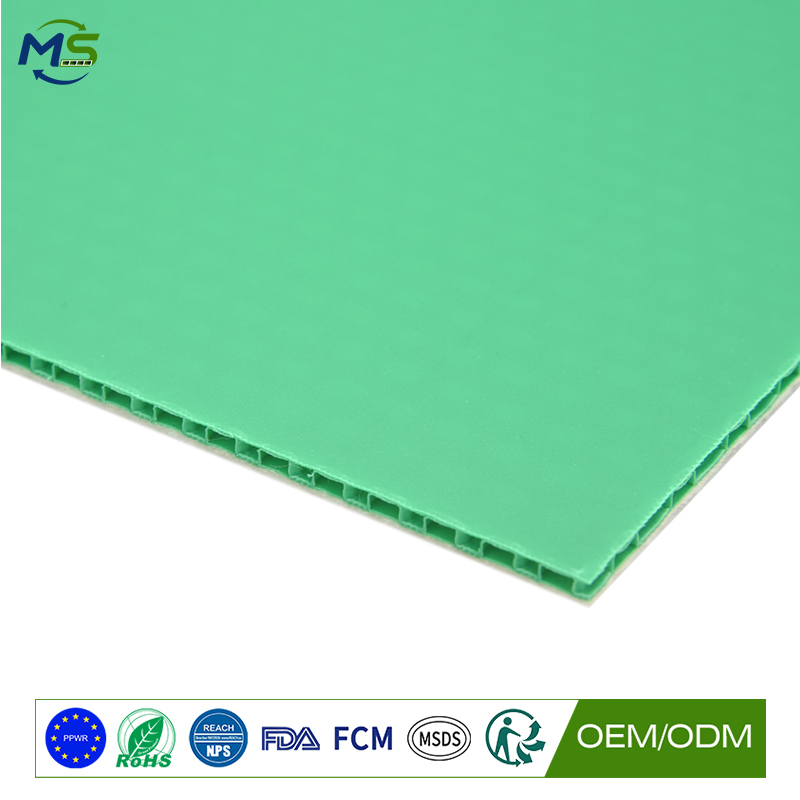
Basement car parks and ramps take turning vehicle loads on a coated or sealed surface, and works in them usually happen while residents or staff still need access. Damage there is structural as well as cosmetic. This article looks at protecting basement car park surfaces. The focus is vehicle loads, ramp gradients and keeping access open.
A turning vehicle applies high shear and point loads, and on a ramp those loads increase with the gradient. Coatings and sealed concrete fail under that combination faster than under straight-line traffic.
A rigid PP honeycomb protection board spreads wheel loads and resists the shear that peels coatings at turning points.
Because the panels do not absorb water or oil, they suit a car park environment where leaks and washdown are normal.
Vehicle routes justify the upper part of the 2 mm to 12 mm range, because wheel loads and turning shear are far higher than pedestrian traffic.
For pedestrian access routes within the car park a mid thickness is enough. On ramps and turning areas used by vehicles, the thickest boards give the spreading and shear resistance needed.
| Board group | Typical thickness | Where it earns its place | Watch-outs |
|---|---|---|---|
| Light-duty panel | 2-3 mm | Pedestrian routes within the car park | Unsuitable for any vehicle traffic |
| General bay panel | 4-6 mm | Parking bays and light vehicle access | Check coating tolerance |
| Heavy-duty panel | 8-10 mm | Vehicle routes and turning areas | Secure against movement on gradients |
| Maximum protection | 12 mm | Ramps and heaviest vehicle traffic | Confirm the surface and structure can take it |
Protect ramp gradients with panels that will not slide: secure them and check them after vehicle use, because a shifted panel on a ramp is a serious hazard.
Keep drainage channels and gullies clear so water drains and is not dammed under the protection.
Maintain at least one open route for residents or staff at all times, and sign any narrowing clearly, because a car park cannot simply be closed.
Steel plate handles vehicle loads best but is heavy, slow and expensive to place across a large car park.
Plywood is common but crushes at the edges under turning wheels and absorbs water and oil.
Plastic sheeting is unsuitable: it slides under tyres and offers no load spreading. A PP honeycomb board gives real spreading at a weight that can be placed quickly.
Protect one ramp or turning area and keep a comparable area on the current method. Inspect after vehicle use, checking for panel movement and coating damage.
Run a turning test with the heaviest vehicle that uses the route, then lift and inspect the surface for shear damage.
Record whether panels stayed secured on the gradient, because that is the failure mode that matters on a ramp.
State the surface and coating type, the gradient, the heaviest vehicle and whether the car park stays open. Ask for the recommended thickness for vehicle loads and turning shear.
Ask for guidance on securing panels on gradients and on keeping drainage clear, plus custom sizes for standard bay and ramp widths.
For a quotation or sample panel, contact service@mingplastics.com or WhatsApp +86 189 3887 1524. Include the surface type, floor area, trades on site and expected duration so the recommended thickness, facing and fire performance can be confirmed before you order.
On vehicle routes, use the thick end of the range, secure panels against movement on gradients, keep drainage clear and preserve at least one open route.


