Address
Building 1, No. 22, Shexi Yongping Road,
Dongguan, Guangdong, China
Work Hours
Monday to Friday: 7AM - 7PM
Weekend: 10AM - 5PM
Address
Building 1, No. 22, Shexi Yongping Road,
Dongguan, Guangdong, China
Work Hours
Monday to Friday: 7AM - 7PM
Weekend: 10AM - 5PM
Remove protection in the reverse order it was laid, lift panels rather than dragging them, and peel tape back on itself slowly ... Ask Mingskye for a sample.
Remove protection in the reverse order it was laid, lift panels rather than dragging them, and peel tape back on itself slowly while the surface is at room temperature. Clean and inspect each panel as it comes up, set aside anything damaged for repair, and photograph the exposed floor against the pre-installation record before the client walks the area.
This page covers removing temporary floor protection in six sections: Removing protection without taking the floor with it; Handover: what the protection should look like at; Cleaning panels between phases without damaging the facing; Inspection: what to check and how often; Recording the condition of the floor before protection; A reusable protection programme that actually gets reused. Each section answers one practical question and can be read on its own.
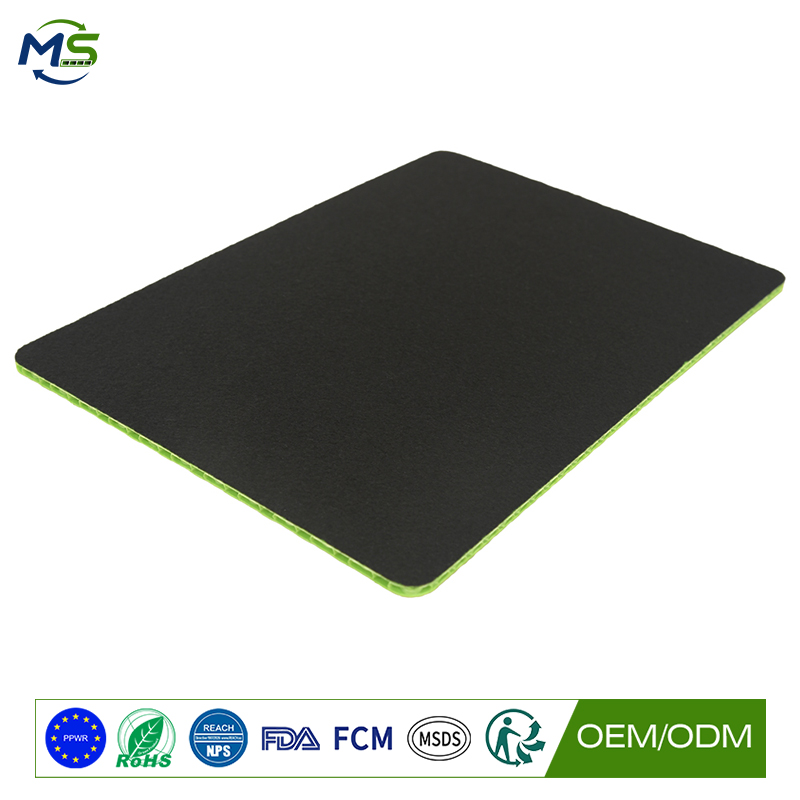
Removal is where good protection is often damaged, because the panel is pulled while it is still partly stuck down.
Adhesive tape should be removed while it is still workable, not left to harden for weeks. Heat can be used on some tapes, but the safest method is a low-tack tape that is removed on the schedule it was applied, and a written removal schedule in the method statement prevents the problem entirely.
Panels should be lifted rather than dragged, and lifted from a corner rather than pulled along the surface. Any grit that has accumulated under the panel should be removed before it is lifted, and a vacuum at the joint is the fastest way to do it.
Finally, the floor should be inspected and cleaned at the point of removal, and the count of panels returned should be recorded on the same visit. Doing the inspection while the protection is still down avoids a second walk-over and finds the areas that need attention before the trades return.
The protection is part of the finished appearance, and the handover standard should be agreed with the client before the first panel is laid.
Agreeing the handover condition in advance removes almost all dispute. The standard can specify that the floor is free of grit, that no seam tape remains, that edges are trimmed and that the panels are presented with a consistent facing and a consistent direction of lay.
Consistency of appearance matters more than perfection. Panels laid in the same direction, with the seam lines running in one orientation, read as a deliberate installation. Mixed directions and mixed grades read as a temporary site arrangement even when the floor underneath is perfect.
It is worth photographing the protected area at handover with the client, because that resolves any later disagreement about the condition of the substrate at the point protection was removed.
For terminology and test-method context see UK Health and Safety Executive. The guidance on this page is practical site guidance, not a test report or a certificate.
Cleaning is what keeps a reusable panel reusable, and the method matters more than the frequency.
The first rule is to clean dry where possible. Vacuum or brush before washing, because grit dragged across a facing during wet cleaning is the main cause of abrasion. Once grit is removed, a mild detergent and a soft brush or cloth is enough.
High-pressure washing and abrasive pads should be avoided, and so should solvent-based cleaners unless the facing is known to be compatible. Solvents can craze polypropylene and will attack some adhesives used on the seam tape.
After cleaning the panels should be dry before they are stacked, and they should be checked for standing water in the core cells. A panel stacked wet will develop odour and staining, and the odour is very difficult to remove later.
| Site question | Short answer | What to check before starting | In this guide |
|---|---|---|---|
| What should be checked about removing protection without taking the floor … | Removal is where good protection is often damaged, because the panel is pulled while it is … | Adhesive tape should be removed while it is still workable, not left to harden for … | Section 1 |
| What should be checked about handover: what the protection should look … | The protection is part of the finished appearance, and the handover standard should be agreed with … | Agreeing the handover condition in advance removes almost all dispute. The standard can specify that … | Section 2 |
| What should be checked about cleaning panels between phases without damaging … | Cleaning is what keeps a reusable panel reusable, and the method matters more than the frequency. | The first rule is to clean dry where possible. Vacuum or brush before washing, because … | Section 3 |
| What should be checked about inspection: what to check and how … | A short inspection on a fixed cycle finds a damaged panel before it damages the floor … | Check for puncture first, especially where equipment stands, and look for any area where the … | Section 4 |
A short inspection on a fixed cycle finds a damaged panel before it damages the floor, which is the whole purpose of the protection.
Check for puncture first, especially where equipment stands, and look for any area where the facing is broken or the core is exposed. A puncture is the point at which the substrate below is exposed, and it should be repaired or the panel replaced immediately.
Then check for deformation. A panel that shows a permanent indentation under a load that used to be within its rating has lost capacity and should come out of service, even if it still looks intact.
Then check the seams and edges, because these fail before the panel does. A lifted seam traps grit and the grit causes the scratching. A final check should be made after each trade has finished with an area and before the area is handed over.
A condition record made before protection is laid settles every later question about who caused what.
The record should cover the floor type and finish, the visible condition including any pre-existing marks, and the state of the areas most likely to be damaged. Photographs taken at the same positions and angles as the handover record are the most useful form.
This is not about assigning blame. It is about establishing a baseline, so that a mark discovered at handover can be compared with the baseline and the discussion can be about what happened in between rather than about whose word is believed.
The cost is a few minutes of photography at the start of the protection. The benefit is that it is almost impossible to argue with a dated and located image.
Reuse fails when panels are dispersed or damaged quietly, so the programme needs a collection point, a count and an inspection.
The single most effective measure is a designated collection point at the end of each phase, with panels returned to it rather than left in the area. Panels left in an area are usually reused once by whoever finds them, and then lost.
Counts matter. A panel count at issue, at return and at the end of the project is the only way to know whether the reuse assumption in the cost model is real, and it is also what allows the fleet to be right-sized for the next phase.
Inspection at return separates serviceable panels from damaged ones. A panel with a broken face or a crushed core goes to a repair or disposal route, and the remaining fleet stays at full strength. Without this step the fleet gradually fills with damaged panels that fail under load.
Removal is where good protection is often damaged, because the panel is pulled while it is still partly stuck down. Adhesive tape should be removed while it is still workable, not left to harden for weeks. Heat can be used on some …
The protection is part of the finished appearance, and the handover standard should be agreed with the client before the first panel is laid. Agreeing the handover condition in advance removes almost all dispute. The standard can specify that the floor is free of grit, that …
A short inspection on a fixed cycle finds a damaged panel before it damages the floor, which is the whole purpose of the protection. Check for puncture first, especially where equipment stands, and look for any area where the facing is broken or the core is …
Reuse fails when panels are dispersed or damaged quietly, so the programme needs a collection point, a count and an inspection. The single most effective measure is a designated collection point at the end of each phase, with panels returned to it rather …
References checked by publisher and title on 2026-11-06. Standards and regulations are cited by name only; no performance values are attributed to them. General material-property figures in the text are indicative reference values for polypropylene and should be verified against your supplier’s current data sheet. Confirm applicability and current versions for your own project before relying on any of them.
For a quotation, a sample panel or help matching a thickness and facing to your site conditions, contact service@mingplastics.com or WhatsApp +86 189 3887 1524. Include the surface type, floor area, the trades working overhead and the expected duration so the recommended specification can be confirmed before you order.
For removing temporary floor protection, Walk the route, agree the seam method and photograph the floor before the first panel is laid. Reuse fails when panels are dispersed or damaged quietly, so the programme needs a collection point, a count and an inspection.


