Address
Building 1, No. 22, Shexi Yongping Road,
Dongguan, Guangdong, China
Work Hours
Monday to Friday: 7AM - 7PM
Weekend: 10AM - 5PM
Address
Building 1, No. 22, Shexi Yongping Road,
Dongguan, Guangdong, China
Work Hours
Monday to Friday: 7AM - 7PM
Weekend: 10AM - 5PM
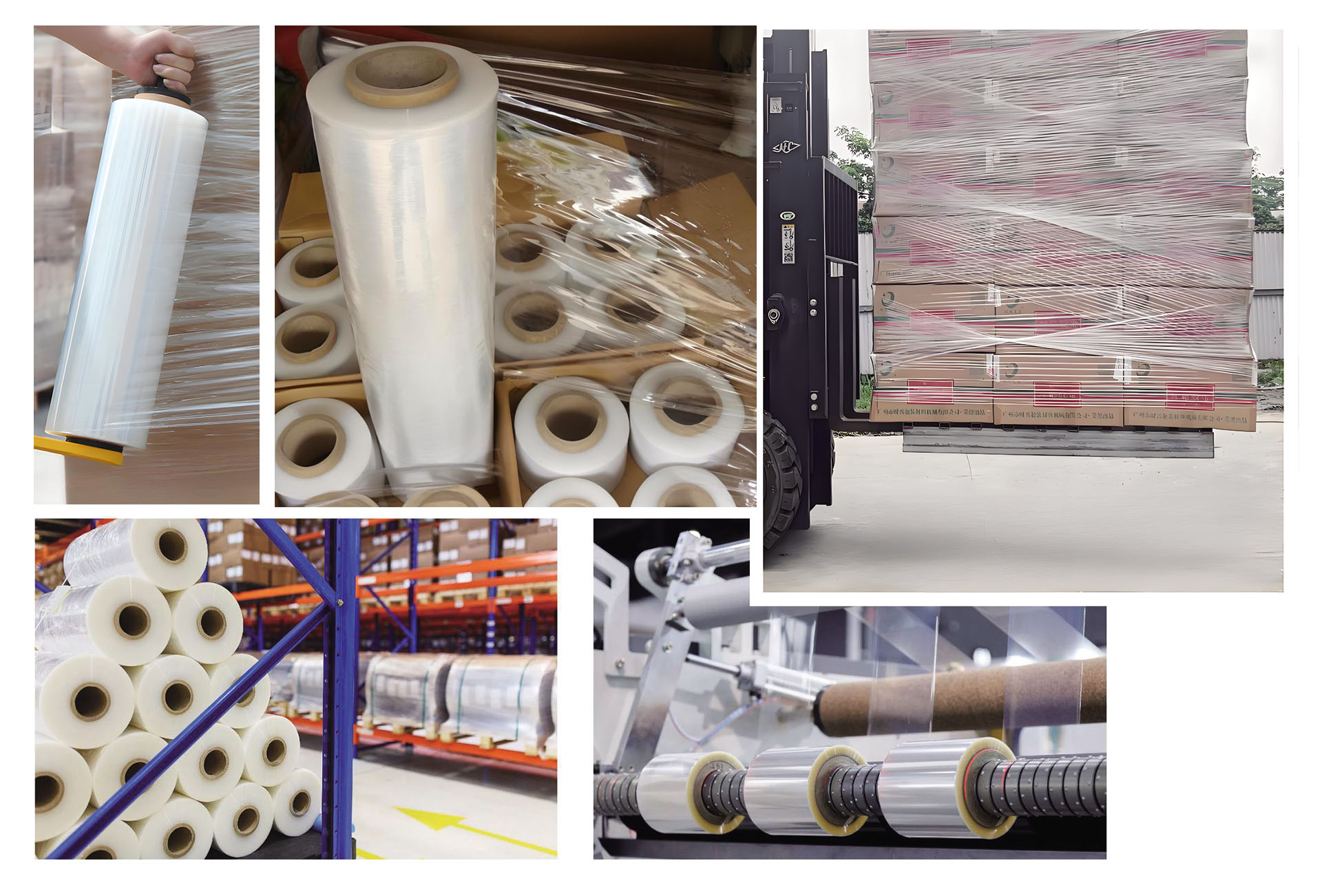
A lower price per roll is easy to compare. What matters on the packing floor is harder to capture in a quotation: how much film each pallet uses, whether the wrapper keeps running, and how securely the load holds together.
That is the useful starting point for nano stretch film. Instead of choosing the thinnest film on a supplier’s list, choose a grade worth testing against your existing wrap, on your own equipment and loads.
Mingskye’s nano stretch wrap film range is described on MingPlastics as a 55-layer cast-film construction. The product description separates cling and slip surfaces from core and functional layers intended to provide strength and toughness. The range includes machine-use and hand-use options.
Layer count describes the construction; it does not tell you which roll to order. Start with the LLDPE stretch wrap film specifications, then confirm the grade, thickness and operating conditions with the supplier. Two films carrying the same “nano” label need not suit the same application.
The machine-film table on that product page separates ultimate stretch from optimal stretch. For the listed Genius (D) grade, it gives:
| Listed thickness | Ultimate stretch | Optimal stretch |
|---|---|---|
| 15 μm | 400% | 280–300% |
| 12 μm | 350% | 250–280% |
Source: the machine-use specification table on the linked MingPlastics product page. These are catalogue values for the listed grade, not universal settings for every nano film or wrapping machine.
The distinction matters. A maximum-stretch figure is not a machine setup instruction. Ask which grade matches your pre-stretch system, and agree on starting settings before a trial. Keep the current wrap as a baseline rather than changing film thickness, wrapping pattern and machine speed all at once.
“Does this nano stretch film use less material while keeping our load secure?” is more useful than “Does it look thinner?” Test representative loads, including awkward ones you actually ship.
Film breaks deserve attention beyond material waste. Lantech’s stretch-wrapping guidance explains that reducing wrap force to stop breaks can also reduce containment. A roll that runs without breaking still needs to hold the load properly.
For the material comparison, multiply net film consumption per pallet by the film price per kilogram. Track rewrapping and downtime separately. This gives purchasing and production a shared basis for deciding whether a change is worthwhile.
Thinner nano stretch wrap film should earn its place through that comparison, not a blanket savings claim. If the trial needs extra wraps to achieve the required hold, include them. If it reduces consumption but interrupts the line, include that too. The result may favour a different grade from the one with the lowest quoted roll price.
When enquiring about customizable multilayer machine stretch film, share your wrapper model, current film specification, pallet size, load weight and the problem you want to solve. Mention cold storage, exposed corners or unusual load shapes where relevant.
MingPlastics lists Mingskye nano wrapping film for industrial packaging and logistics. To discuss a suitable trial grade, email service@mingplastics.com with those details. Ask for the applicable technical sheet and sample conditions before committing to a larger order. A useful recommendation starts with the load you need to protect.