Address
Building 1, No. 22, Shexi Yongping Road,
Dongguan, Guangdong, China
Work Hours
Monday to Friday: 7AM - 7PM
Weekend: 10AM - 5PM
Address
Building 1, No. 22, Shexi Yongping Road,
Dongguan, Guangdong, China
Work Hours
Monday to Friday: 7AM - 7PM
Weekend: 10AM - 5PM
In the complex landscape of 2026 global trade, the transition from single-use packaging waste to durable logistics assets is no longer a luxury鈥攊t is a mandatory evolution for profitability and ESG compliance. For procurement leaders managing high-volume supply chains, the physical integrity of transit hardware determines the security of millions in inventory. Understanding the core science and economics of **The Environmental Impact of Mono-Material Reusable Plastic Packaging vs Timber assets** represents a critical milestone for supply chain leaders looking to secure assets, bypass border delays, and optimize total cost of ownership (TCO). MingPlastics’ engineered transit assets are designed to bridge the gap between high physical load limits and absolute regulatory compliance, delivering a future-proof logistics strategy.
The foundation of a reliable heavy-duty circular logistics system is the physical core of the panel. Our specialized panels feature a high-density, multi-layer circular polypropylene cell structure. This sandwich core provides exceptional isotropic flexural rigidity, distributing compression forces symmetrically across the vertical walls of the container. Sourced from 100% virgin PP resins, the material remains chemically inert, preventing any risk of toxic chemical migration or polymer degradation in extreme conditions.
International freight lanes expose packaging to extreme conditions, including salty marine humidity, tropical rains, and dynamic road vibrations. Traditional waxed fiberboard and timber disintegrate or lose compression strength under these conditions. Our engineered polypropylene panels are completely water-proof, preserving 100% of their structural load-bearing capacity even during prolonged open-yard staging and cross-border rail transit.
From a carbon and financial standpoint, mono-material plastic assets outlast traditional timber in every metric. Wood packaging requires constant maintenance, nails pop out and damage cargo, and panels splinter over time. Polypropylene honeycomb panel boxes are joint-free, completely safe, and maintain structural rigidity for over a decade of continuous service.
| Performance Pillar | Industrial Wood Pallet Boxes | MingPlastics Polypropylene Bins |
|---|---|---|
| Nail / Splinter Hazard | High (Causes Cargo Damage) | Zero (Smooth, Joint-Free Lamination) |
| Bacterial Growth | High (Wood Holds Moisture & Mold) | Zero (Non-Porous, Easy Sanitization) |
| End-of-Life Value | \ (Disposal Costs Required) | High (100% Recyclable Polypropylene) |
The upcoming EU PPWR (Packaging and Packaging Waste Regulation) mandates a strict shift toward circular, reusable packaging. Importers in Germany, France, Poland, and the Netherlands must reduce single-use cardboard waste or face severe penalties. Our recyclable PP honeycomb boxes are engineered for 100+ return trips, aligning your supply chain with post-2026 European green directives and ensuring continuous market access.
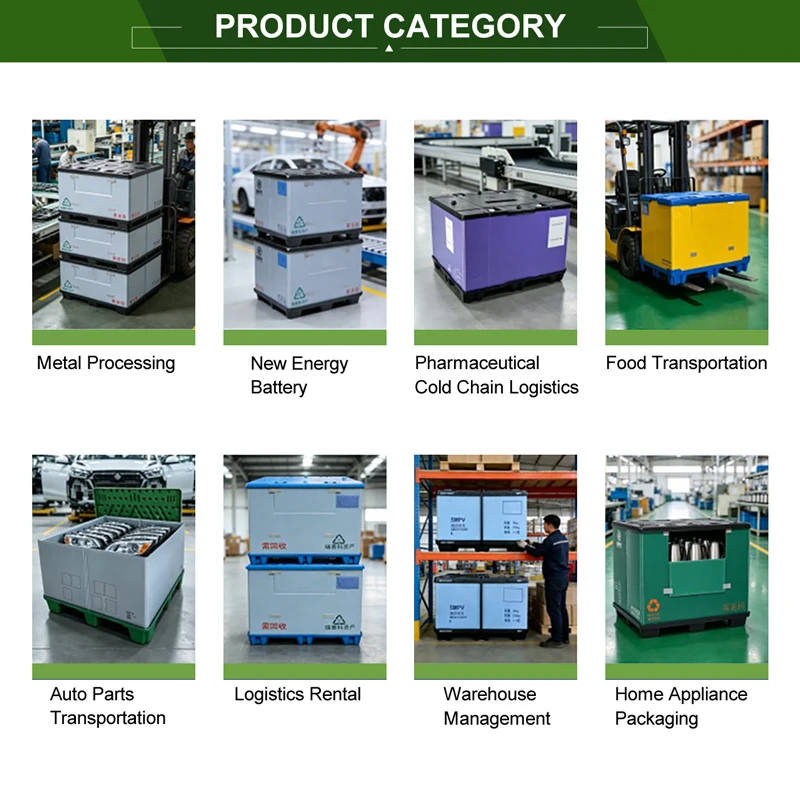
Transporting massive industrial gearboxes or sensitive aerospace components requires packaging that matches the rigid mechanical support of steel frames while offering the lightweight nature of polymers. We specialize in fabricating extra-heavy-duty honeycomb pallet sleeve boxes with hidden, high-tensile steel reinforcements embedded directly within the vertical cells, boosting stacking limit capacity to over 1.5 tons.
Q: How does the foldability impact return shipping costs?
A: Because they collapse to 20% of their original volume, you can fit five times more empty units in a return container, cutting reverse logistics costs by 80%.
Q: Do these boxes meet European packaging regulations?
A: Yes, they are 100% reusable and recyclable, fully complying with the EU PPWR and EPR environmental tax laws in countries like Germany and France.
Future-proof your global industrial logistics today. For technical drawings, certified UN test reports, and direct factory wholesale quotes, contact our engineering department at Email (dawn@mingplastics.com) or reach our technical team via WhatsApp (+86 18098231505).
MingPlastics: Your direct factory source for advanced, steel-reinforced, and eco-friendly PP honeycomb box systems. We specialize in aligning high-performance industrial logistics with EU PPWR and EPR global compliance standards.
📞 WhatsApp/WeChat: +86 18098231505
📧 Direct Email Enquiry: dawn@mingplastics.com
💬 Technical Support: Consult with our Engineering Team on WhatsApp