Address
Building 1, No. 22, Shexi Yongping Road,
Dongguan, Guangdong, China
Work Hours
Monday to Friday: 7AM - 7PM
Weekend: 10AM - 5PM
Address
Building 1, No. 22, Shexi Yongping Road,
Dongguan, Guangdong, China
Work Hours
Monday to Friday: 7AM - 7PM
Weekend: 10AM - 5PM
University works follow the academic calendar. This guide covers thickness from 2 mm to 12 mm, term-time safety, storage and a campus trial plan.
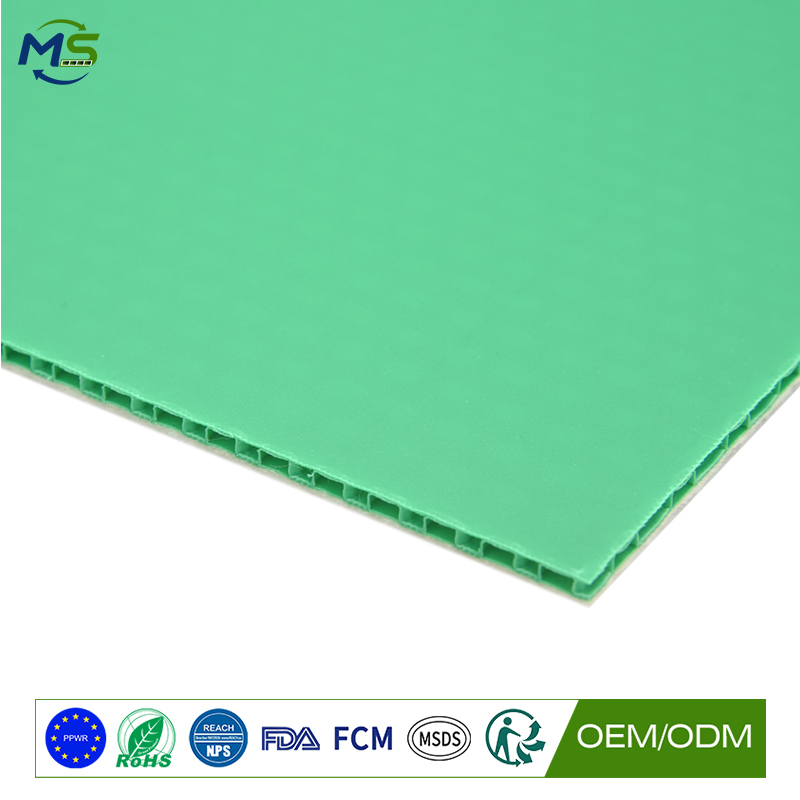
University estates work to the academic calendar: heavy programmes compressed into vacations, with term-time work happening around thousands of students. Protection has to be stored between windows and safe during term. This article looks at protecting university floors. The focus is vacation programmes, term-time safety and storage between windows.
University works are compressed into vacation windows, so protection has to be placed and cleared quickly, then stored until the next window.
A PP honeycomb protection board stacks flat, stores compactly and is re-used every vacation, which suits an estate team’s annual cycle.
Because the panels lie flat, they can be used on term-time routes that students use daily.
University buildings carry heavy footfall, trolleys and deliveries, so the middle part of the 2 mm to 12 mm range is typical.
For corridor and lecture hall routes a mid thickness is enough. Where deliveries and equipment moves happen, thicker boards protect against concentrated loads.
| Board group | Typical thickness | Where it earns its place | Watch-outs |
|---|---|---|---|
| Light-duty panel | 2-3 mm | Office and low-traffic routes during term | Not for deliveries or equipment |
| General campus panel | 4-6 mm | Corridors and lecture hall routes | Finish edges; inspect daily in term |
| Heavy-duty panel | 8-10 mm | Deliveries and equipment moves in vacation windows | Confirm floor tolerance |
| Maximum protection | 12 mm | Laboratory and plant installation | Confirm floor capacity |
Keep student routes complete, flat and edge-finished, and inspect at least daily during term.
Store panels flat and secure between vacation windows, because an estate team needs them in good condition the following year.
Confirm the fire performance required for corridors and lecture theatres, since escape routes in teaching buildings are strictly regulated.
Paper and film are replaced every window and cannot be stored usefully, which makes them poor value across an annual cycle.
Plywood is heavy to move and store, and it absorbs water in buildings that are cleaned frequently.
A PP honeycomb board is light, storable and re-usable, which is why it suits a repeating annual programme.
Protect one corridor and lecture hall route and leave a comparable route on the current method. Inspect daily during term and at the end of the vacation window.
Run a trolley and delivery test over a sample panel, then lift and check the floor.
Record storage condition between windows, because that determines whether the boards survive to the next programme.
State the floor finishes, the corridor and lecture hall dimensions, the works calendar and the fire performance required. Ask for the recommended thickness and about long-term storage.
Ask for guidance on term-time edge safety and on storage between vacation windows, plus custom sizes for standard teaching routes.
For a quotation or sample panel, contact service@mingplastics.com or WhatsApp +86 189 3887 1524. Include the surface type, floor area, trades on site and expected duration so the recommended thickness, facing and fire performance can be confirmed before you order.
For university estates, buy protection that stores flat and is reused every vacation, keep term-time routes edge-safe, and confirm fire performance on escape routes.


