Address
Building 1, No. 22, Shexi Yongping Road,
Dongguan, Guangdong, China
Work Hours
Monday to Friday: 7AM - 7PM
Weekend: 10AM - 5PM
Address
Building 1, No. 22, Shexi Yongping Road,
Dongguan, Guangdong, China
Work Hours
Monday to Friday: 7AM - 7PM
Weekend: 10AM - 5PM
Loft conversions route materials through lived-in homes. This guide covers thickness from 2 mm to 12 mm, stairs, daily safety and a conversion trial plan.
A loft conversion routes every material through the living space below, up a stair and into the new room, which means the client’s existing floors take all the risk. This article looks at protecting floors during loft conversions. The focus is long carry routes, stair protection and living in the house during works.
In a loft conversion the family stays in the house while materials pass through their hallway, up their stairs and past their rooms. Every part of that route is a finished surface in daily use.
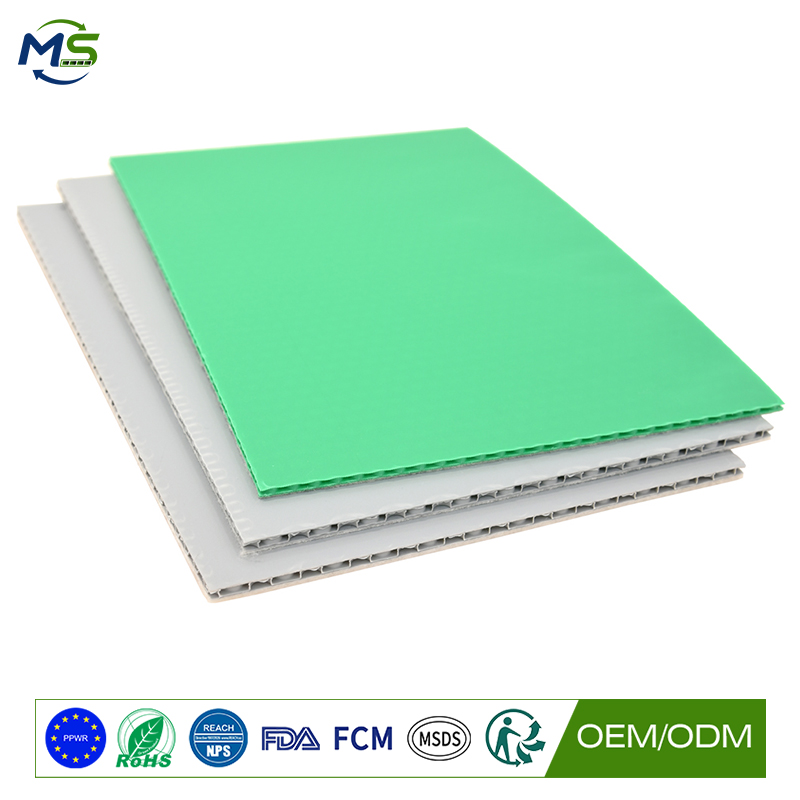
A rigid PP honeycomb protection board protects the hallway, the stair and the landing continuously, and it stays flat under repeated carrying traffic.
Because the panels are light, they can be carried up the stair they are protecting and repositioned as works progress.
Loft conversions carry timber, boards and fittings by hand, so the thinner to middle part of the 2 mm to 12 mm range is usually appropriate indoors.
For hallway and landing routes a mid thickness is enough. Where heavy items are set down on landings, thicker boards protect against concentrated loads.
| Board group | Typical thickness | Where it earns its place | Watch-outs |
|---|---|---|---|
| Light-duty panel | 2-3 mm | Hallways and rooms with foot traffic only | Not for carried timber and boards |
| General conversion panel | 4-6 mm | Hallway, stair and landing routes | Cover nosings; keep route safe each evening |
| Heavy-duty panel | 8-10 mm | Landing set-down and heavy fittings | Check stair capacity |
| Maximum protection | 12 mm | Heavy items such as bathrooms and radiators | Confirm stair and floor capacity |
Protect the stair fully, including nosings, because a loft conversion turns a domestic stair into a material route for weeks.
Keep the route clear and safe for the household at the end of each day, since the family uses the same stair at night.
Protect the landing set-down area, because that is where carried materials are rested at every trip.
Dust sheets are the domestic default and they bunch, soak and slide on stairs, which is unsafe when the household uses the stair daily.
Cardboard compresses and tears under carried timber. Films tear at nosings within days.
Plywood is heavy to carry up a domestic stair. A PP honeycomb board is light, rigid and re-usable for the whole conversion.
Protect the hallway, stair and landing on one job and leave a comparable job on the current method. Inspect at the end of each working day.
Run a carried-load test up the protected stair, then lift and check nosings and treads.
Record whether the household could use the route safely each evening, because in an occupied home that is the measure that matters.
State the floor and stair finishes, the route length, what will be carried and whether the household stays. Ask for the recommended thickness for stairs and landings.
Ask for guidance on daily removal and re-laying, and about custom cuts for uniform domestic treads.
For a quotation or sample panel, contact service@mingplastics.com or WhatsApp +86 189 3887 1524. Include the surface type, floor area, trades on site and expected duration so the recommended thickness, facing and fire performance can be confirmed before you order.
For loft conversions, protect the whole route including stair nosings, keep it safe for the household each evening, and protect the landing set-down area.


