Address
Building 1, No. 22, Shexi Yongping Road,
Dongguan, Guangdong, China
Work Hours
Monday to Friday: 7AM - 7PM
Weekend: 10AM - 5PM
Address
Building 1, No. 22, Shexi Yongping Road,
Dongguan, Guangdong, China
Work Hours
Monday to Friday: 7AM - 7PM
Weekend: 10AM - 5PM
Worktops fail at edges and cut-outs, and stains in stone are permanent. This guide covers thickness from 2 mm to 12 mm, sealing, spill control and a worktop trial plan.
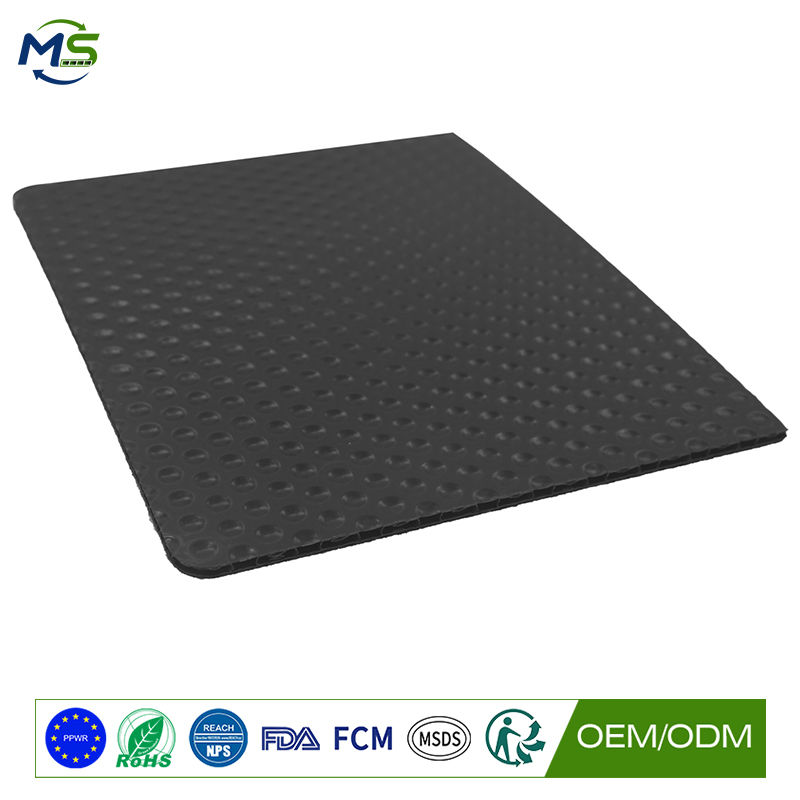
Worktops are installed early enough to be exposed to every following trade and are expensive enough that a chip or stain is a replacement. Stone and solid surface have different vulnerabilities, but both fail at edges and around cut-outs. This article looks at protecting countertops during fit-out. The focus is edge and cut-out protection, stain avoidance and keeping the surface usable.
A worktop surface resists normal use; its edges, sink cut-outs and arrises do not. A knock at an edge or a levered load near a cut-out is the usual cause of a replacement.
Protection therefore has to cover the whole plane including the front edge and around cut-outs, not just the horizontal surface.
A rigid PP honeycomb protection board can be laid over the worktop and dressed over the front edge, and with a felt or fleece facing it will not abrade a polished stone or solid surface finish.
Worktop protection is about impact and stiffness rather than load, so the thinner-to-middle part of the 2 mm to 12 mm range is usually right. A board stiff enough to bridge a sink cut-out without sagging is the practical test.
Where heavy items will be set on the worktop during the works, use the thicker boards so the load spreads rather than concentrating near a cut-out.
| Board group | Typical thickness | Where it earns its place | Watch-outs |
|---|---|---|---|
| Light-duty panel | 2-3 mm | Finished worktops, decorating only, no loads | Sags over sink cut-outs |
| General worktop panel | 4-6 mm | Stone and solid surface under normal fit-out work | Dress over the front edge; check sealer |
| Heavy-duty panel | 8-10 mm | Heavy items set on worktops during works | Weight on cantilevered edges; detail support |
| Maximum protection | 12 mm | Long programmes with repeated loading | More than most worktop protection needs |
Stone worktops are often sealed, and some sealers need time before covering. Confirm the sealer’s requirements before laying any protection, and avoid trapping moisture against a freshly sealed surface.
Keep liquids off the worktop: spills from following trades are a common cause of permanent staining in stone. A non-absorbing board keeps a spill on top where it can be wiped.
Lift and air the protection periodically during long programmes, and check the underside for condensation.
Protective films are designed for finished surfaces and work well for scuffs, but they are single-use and do not protect edges from impact.
Cardboard crushes, absorbs spills and holds them against the stone, which is worse than no protection when a spill happens.
Plywood protects but is heavy on a cantilevered worktop edge and awkward to cut around sinks and hobs. A PP honeycomb board is lighter, cuttable and re-usable across units.
Protect the worktops in one unit or zone and leave a comparable one on the current method. Inspect edges, cut-outs and surface finish at each inspection.
Run a spill test: pour water and a coloured liquid on the board over a cut-out, wait, then lift and check the surface.
Record whether the protection stayed dressed over the front edge, because that is the detail that determines whether the most vulnerable part is actually protected.
State the worktop material, whether it is sealed and when, the edge profile and the cut-out locations. Ask for the recommended thickness, facing and panel size, plus fire performance if required.
Ask for guidance on dressing edges and around cut-outs, and about custom sizes for repeated unit layouts.
For a quotation or sample panel, contact service@mingplastics.com or WhatsApp +86 189 3887 1524. Include the surface type, floor area, trades on site and expected duration so the recommended thickness, facing and fire performance can be confirmed before you order.
Worktop protection must cover the front edge and cut-outs, not just the flat surface. Confirm sealer requirements, keep liquids off the stone, and check the underside for condensation.


