Address
Building 1, No. 22, Shexi Yongping Road,
Dongguan, Guangdong, China
Work Hours
Monday to Friday: 7AM - 7PM
Weekend: 10AM - 5PM
Address
Building 1, No. 22, Shexi Yongping Road,
Dongguan, Guangdong, China
Work Hours
Monday to Friday: 7AM - 7PM
Weekend: 10AM - 5PM
Tunnel works need fire-approved, easily removable protection. This guide covers thickness from 2 mm to 12 mm, confined logistics and a tunnel trial plan.
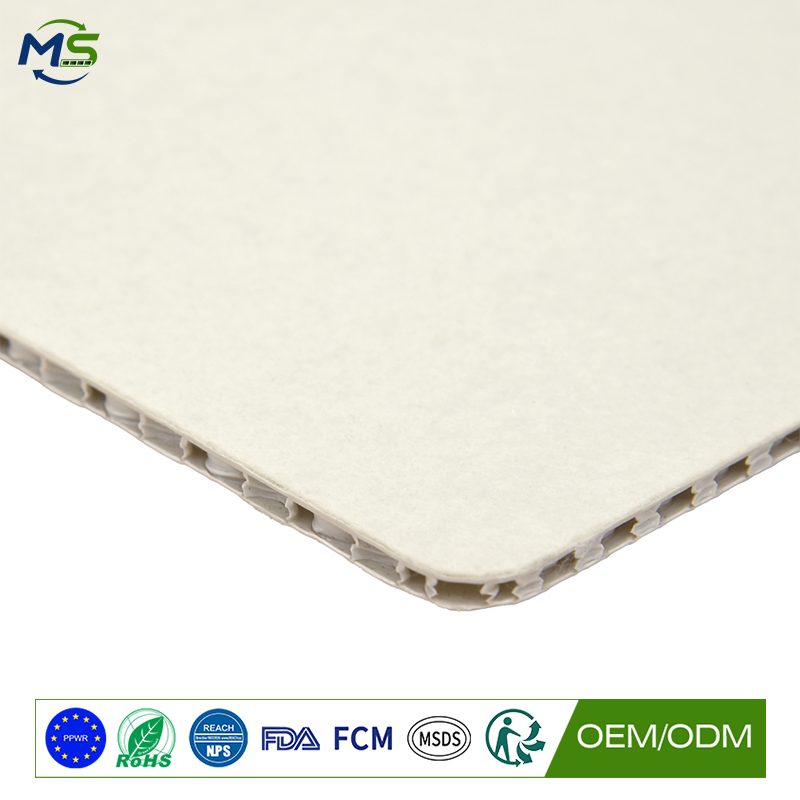
Tunnel and underpass works combine confined access, poor ventilation, fire performance requirements and surfaces that are often roadway or paved. Protection has to be safe to carry in and out and compliant with strict material rules. This article looks at protecting surfaces in tunnels and underpasses. The focus is fire performance, confined logistics and safe removal.
Tunnels and underpasses have among the strictest material requirements of any environment: fire performance is usually the first test, and documentation is mandatory.
A PP honeycomb protection board with a fire-retardant option can be considered where combustible coverings are excluded, subject to the scheme’s approval.
Confirm the requirement with whoever owns the asset before ordering, and keep the documentation with the method statement.
Tunnel works involve plant, materials and vehicle access, so the middle to upper part of the 2 mm to 12 mm range is typical.
For pedestrian access a mid thickness is enough. Where plant and materials are moved through confined spaces, thicker boards spread the loads.
| Board group | Typical thickness | Where it earns its place | Watch-outs |
|---|---|---|---|
| Light-duty panel | 2-3 mm | Pedestrian access routes in tunnels | No load spreading for plant |
| General tunnel panel | 4-6 mm | Underpass and tunnel surfaces under works traffic | Fire documentation mandatory |
| Heavy-duty panel | 8-10 mm | Plant and material movement | Confirm fire and escape requirements |
| Maximum protection | 12 mm | Heaviest plant installation in confined space | Confirm surface and access capacity |
Panels must be light enough to carry through confined access and to remove completely at the end of each shift, since nothing can usually be left in a tunnel.
Keep drainage channels and any ventilation paths clear, and do not block escape routes or cross passages.
Inspect at the end of each shift and remove or secure everything before the space is handed back.
Plywood is combustible, absorbs water and is awkward to carry through confined access.
Sheeting is a slip and trip hazard and usually fails fire requirements. Metal plate is heavy and slow in a confined space.
A PP honeycomb board is light to carry, available with fire-retardant options and removable in a single shift.
Get the fire and material approval first, then protect one section and leave a comparable section on the current method.
Time a full removal: clear the protection and record how long it takes, because in a tunnel that window is fixed.
Record the approval, the inspection log and any damage, because tunnel operators will ask for all three.
State the surface type, the fire performance required, the access constraints and the removal window. Ask specifically for a fire-retardant option and supporting documentation.
Ask for guidance on carrying and removing panels in confined spaces, and about custom sizes for tunnel widths.
For a quotation or sample panel, contact service@mingplastics.com or WhatsApp +86 189 3887 1524. Include the surface type, floor area, trades on site and expected duration so the recommended thickness, facing and fire performance can be confirmed before you order.
In tunnels, fire performance and documentation come first, then lightness and complete removal within the shift window.


