Address
Building 1, No. 22, Shexi Yongping Road,
Dongguan, Guangdong, China
Work Hours
Monday to Friday: 7AM - 7PM
Weekend: 10AM - 5PM
Address
Building 1, No. 22, Shexi Yongping Road,
Dongguan, Guangdong, China
Work Hours
Monday to Friday: 7AM - 7PM
Weekend: 10AM - 5PM
Pool surrounds combine water, chemicals and barefoot traffic. This guide covers thickness from 2 mm to 12 mm, slip safety, chemical resistance and a wet-area trial plan.
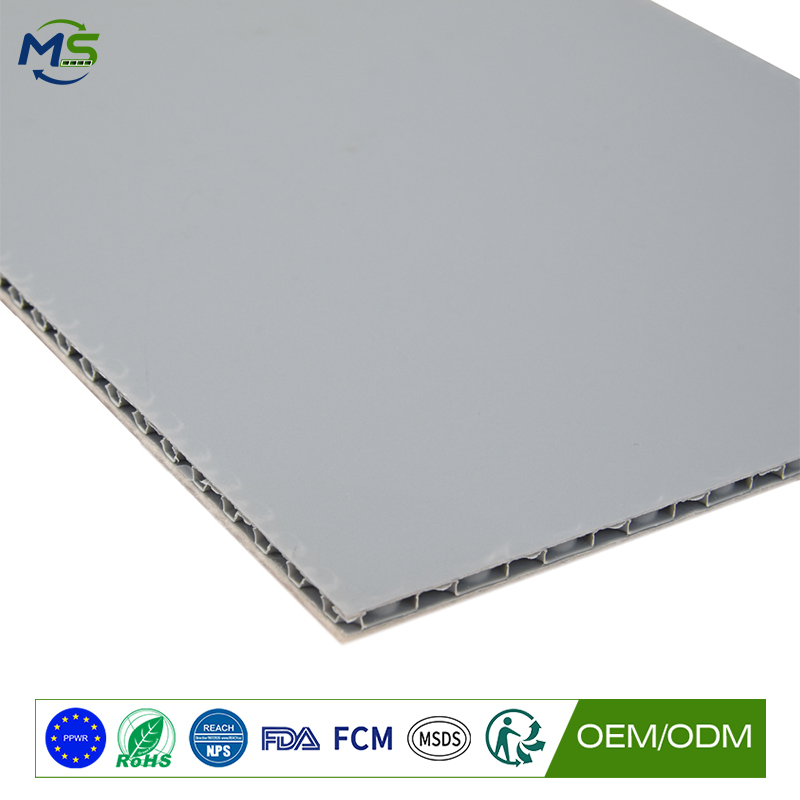
Pool surrounds combine a hard, often expensive finish with constant water, chemicals and barefoot traffic. Works in these areas have to protect the surface without creating a slip hazard or trapping chlorinated water. This article looks at protecting pool surrounds during maintenance and refurbishment. The focus is wet-area safety, chemical resistance and protecting a surface used barefoot.
The first requirement in a wet area is that protection does not create a slip hazard. A smooth panel that holds a film of water is worse than no protection at all.
A PP honeycomb protection board with a felt or fleece facing gives a better underfoot surface than a smooth plastic sheet, and because it lies flat it avoids the curling edges that catch feet.
The boards do not absorb water, so they do not hold chlorinated water against the finish, which is the main cause of staining in these areas.
Pool surround works involve plant, filtration equipment and material deliveries, so the middle to upper part of the 2 mm to 12 mm range is typical for routes.
For pedestrian routes around the works a mid thickness is enough. Where filtration equipment or materials cross the surround, thicker boards protect the finish from concentrated loads.
| Board group | Typical thickness | Where it earns its place | Watch-outs |
|---|---|---|---|
| Light-duty panel | 2-3 mm | Pedestrian routes around wet-area works | Not for equipment or material moves |
| General surround panel | 4-6 mm | Pool surrounds under maintenance traffic | Rinse panels; keep drainage clear |
| Heavy-duty panel | 8-10 mm | Filtration equipment and material deliveries | Confirm finish tolerance to point loads |
| Maximum protection | 12 mm | Plant moves across the pool surround | Confirm the structure can take the load |
Confirm chemical compatibility with the site’s water treatment regime, and rinse panels before they are lifted off a finished surface.
Keep drainage channels and overflow grilles clear so water continues to drain, and do not dam water against the finish at panel edges.
Finish edges and seams so there is nothing to catch a foot, and inspect daily in an area where people walk barefoot.
Wet-area matting is designed for barefoot use and is the right permanent answer, but it is costly to deploy temporarily across a whole surround.
Plywood absorbs chlorinated water, delaminates and can stain the finish beneath. Plastic sheeting is slippery when wet and slides.
A PP honeycomb board is non-absorbing, lies flat and can be lifted and rinsed, which makes it practical for temporary works in a wet area.
Protect one section of the surround and leave a comparable section on the current method. Inspect daily, including under the panels, and record any staining.
Run a chemical test: apply the site’s treatment level of chlorinated water to a sample panel, leave it, then lift and check the finish.
Record slip performance when wet, because in a pool surround that is the safety measure that matters most.
State the surround finish, the water treatment chemicals, the drainage layout and what will cross the area. Ask for the recommended thickness and facing, and confirm chemical resistance.
Ask for guidance on edge finishing for barefoot areas and on keeping drainage clear during works.
For a quotation or sample panel, contact service@mingplastics.com or WhatsApp +86 189 3887 1524. Include the surface type, floor area, trades on site and expected duration so the recommended thickness, facing and fire performance can be confirmed before you order.
In wet areas, prioritise slip safety and drainage, confirm chemical resistance, and use a faced board that stays flat under barefoot traffic.


