Address
Building 1, No. 22, Shexi Yongping Road,
Dongguan, Guangdong, China
Work Hours
Monday to Friday: 7AM - 7PM
Weekend: 10AM - 5PM
Address
Building 1, No. 22, Shexi Yongping Road,
Dongguan, Guangdong, China
Work Hours
Monday to Friday: 7AM - 7PM
Weekend: 10AM - 5PM
Hot works make fire performance the deciding factor. This guide covers thickness from 2 mm to 12 mm, fire-retardant options, spark containment and permit documentation.
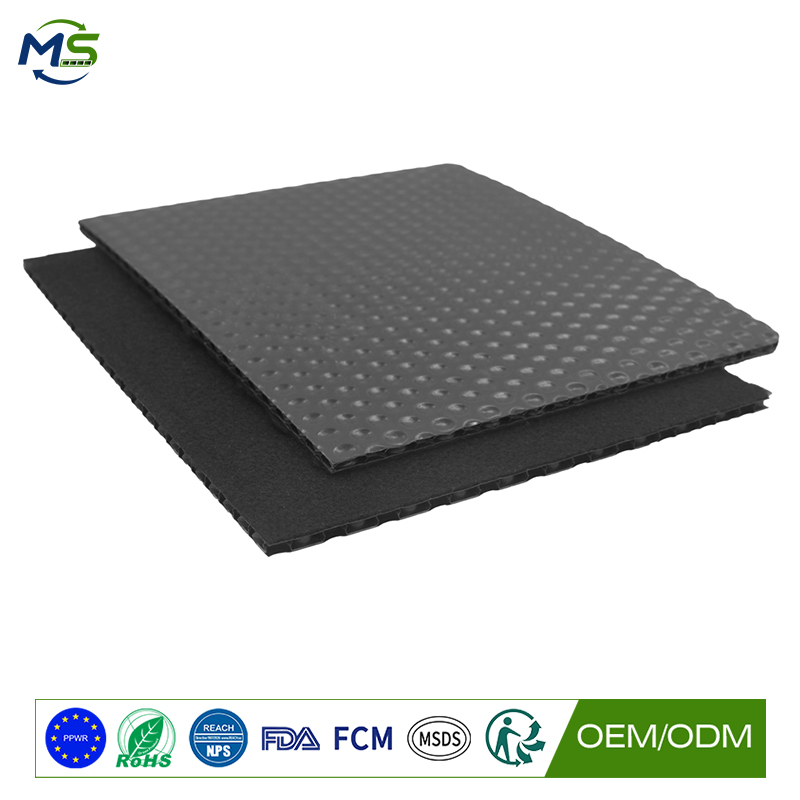
Hot works change the protection question completely: the concern is no longer scratches but ignition, and a covering that melts or burns is worse than no covering at all. This article looks at surface protection around welding, cutting and grinding. The focus is fire performance, spark containment and specifying the right board for a permit-controlled activity.
Any material placed near hot works has to satisfy the site’s fire rules, and on many projects the permit requires a fire-retardant specification. That requirement decides the product before anything else is considered.
Fire-retardant options are part of the PP honeycomb protection board range, so the fire performance should be stated in the enquiry rather than assumed from a standard board.
Confirm the requirement with whoever issues the hot work permit and keep the documentation with the permit, because that is what will be checked.
Around hot works, thickness is chosen for spark and slag resistance and for the loads from equipment, not for footfall. The middle to upper part of the 2 mm to 12 mm range is usual.
For light grinding and cutting nearby, a mid thickness with the correct fire performance may be sufficient. For sustained welding above a protected surface, thicker boards withstand slag and heat better.
| Board group | Typical thickness | Where it earns its place | Watch-outs |
|---|---|---|---|
| Light-duty panel | 2-3 mm | Perimeter protection away from the hot work itself | Not for slag or sustained heat |
| General fire-retardant panel | 4-6 mm | Surrounding floor under hot work traffic and debris | Fire performance must match the permit |
| Heavy-duty fire-retardant panel | 8-10 mm | Sustained welding nearby, equipment loads | Retire any charred panel immediately |
| Maximum protection | 12 mm | Heavy fabrication areas with repeated hot work | Use a welding blanket directly under the work |
Contain sparks: use the board as a barrier, not as a catch-all, and keep combustible material clear of the work area as the permit requires.
Inspect boards after each hot work session and retire any panel with burn damage, because a charred panel has lost both its protection and its fire performance.
Sweep slag and debris off the boards rather than letting it be ground into the surface underneath, and keep a fire watch per the permit conditions.
Welding blankets are designed for this and remain the right choice directly under hot work, but they are heavy, hot to handle and do not protect floors from the loads that follow.
Plywood is combustible and generally unsuitable near hot works without treatment. Steel plate protects completely but is heavy and slow to place.
A fire-retardant PP honeycomb protection board suits the surrounding area: it protects the floor from the traffic and debris around the hot work while the blanket handles the work itself.
Agree the specification with the permit issuer before starting. Protect the surrounding area and inspect at the end of each session, recording any heat or slag damage.
Test a sample panel with a representative slag or spark exposure under controlled conditions, then inspect both sides.
Record which panels had to be retired and why, because that tells you whether the specification matched the actual work.
State that hot works are involved, the type of work, the surrounding floor finish and the fire performance required by the site. Ask specifically for a fire-retardant option and for the documentation to support the permit.
Ask for guidance on inspection and retirement criteria, and on containing sparks and slag around the work area.
For a quotation or sample panel, contact service@mingplastics.com or WhatsApp +86 189 3887 1524. Include the surface type, floor area, trades on site and expected duration so the recommended thickness, facing and fire performance can be confirmed before you order.
Around hot works, specify fire performance first and keep the documentation with the permit. Use a fire-retardant board for the surrounding area, inspect after every session and retire damaged panels.


