Address
Building 1, No. 22, Shexi Yongping Road,
Dongguan, Guangdong, China
Work Hours
Monday to Friday: 7AM - 7PM
Weekend: 10AM - 5PM
Address
Building 1, No. 22, Shexi Yongping Road,
Dongguan, Guangdong, China
Work Hours
Monday to Friday: 7AM - 7PM
Weekend: 10AM - 5PM
Showroom floors take vehicles and must look immaculate. This guide covers thickness from 2 mm to 12 mm, tyre loads, cleaning and a showroom trial plan.
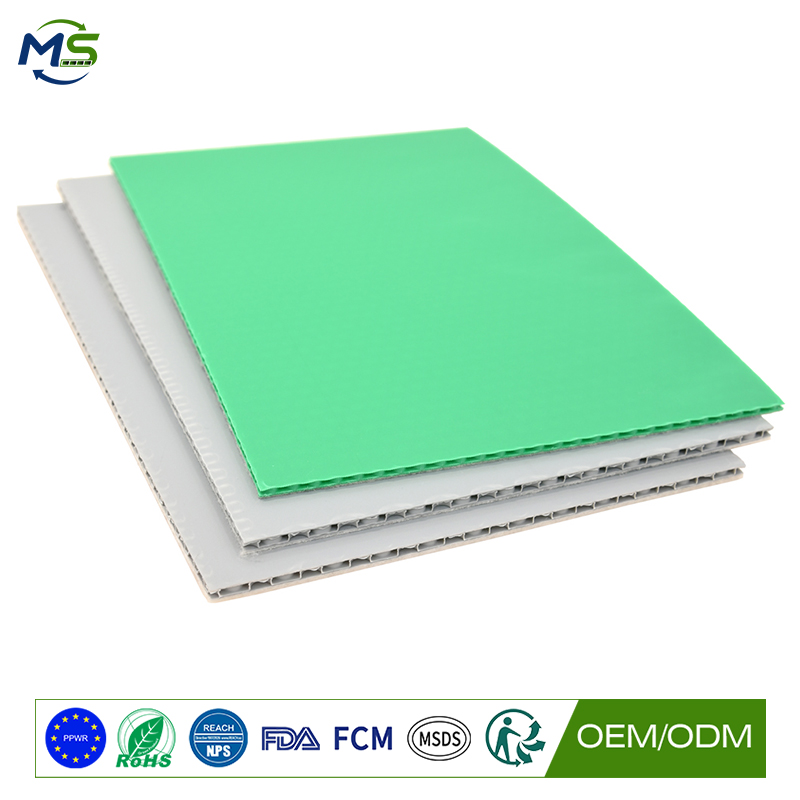
Showroom floors are large, highly polished and driven on, so they take vehicle loads and still have to look immaculate. Refits happen around displays and handovers. This article looks at protecting showroom floors during works and vehicle movements. The focus is tyre loads, polished finishes and keeping the showroom presentable.
A showroom floor is designed for vehicles, but the finish is chosen for appearance, and tyre marks, chips and scratches are immediately visible to customers.
A rigid PP honeycomb protection board spreads tyre loads and protects polished finishes during works, without the sliding and marking that a film or sheet causes.
Because the panels do not absorb oil or water, they suit an environment where vehicles are moved in and out daily.
Showrooms carry cars and occasionally delivery vehicles, so the middle to upper part of the 2 mm to 12 mm range is typical for vehicle routes.
For pedestrian areas a mid thickness is enough. Where vehicles are driven over the protection, thicker boards resist the tyre loads and turning shear.
| Board group | Typical thickness | Where it earns its place | Watch-outs |
|---|---|---|---|
| Light-duty panel | 2-3 mm | Pedestrian areas and display zones | Not for vehicles |
| General showroom panel | 4-6 mm | Showroom floors under light vehicle movement | Clean on schedule to protect appearance |
| Heavy-duty panel | 8-10 mm | Vehicle routes from workshop to showroom | Check finish tolerance to tyre loads |
| Maximum protection | 12 mm | Delivery vehicles and heavier plant | Confirm slab capacity |
Keep the display area clean: clean panels on the same schedule as the floor, because a marked protection layer looks worse than none in a showroom.
Protect the routes vehicles use from the workshop or compound into the showroom, since that is where tyre dirt and grit are carried in.
Lift protection before handovers and customer events, and inspect the floor, because the finish is part of the sale.
Plywood marks polished floors at its edges and absorbs oil and water from vehicles, and it is heavy to move across a large showroom.
Matting works but is expensive at showroom scale and is usually a permanent feature rather than temporary protection.
Plastic sheeting slides under tyres and traps moisture against a polished surface. A PP honeycomb board spreads load, resists oil and lifts cleanly.
Protect one vehicle route and leave a comparable route on the current method. Inspect after vehicle movements and before customer-facing periods.
Run a tyre test: drive the heaviest display vehicle over a sample panel, then lift and inspect the floor for marking.
Record cleanliness and any tyre marking, because in a showroom appearance is the measure that matters.
State the floor finish, the vehicle types and weights, whether vehicles are driven over the protection and the fire performance required. Ask for the recommended thickness for tyre loads.
Ask for guidance on cleaning and on lifting for customer events, plus custom sizes for standard showroom grids.
For a quotation or sample panel, contact service@mingplastics.com or WhatsApp +86 189 3887 1524. Include the surface type, floor area, trades on site and expected duration so the recommended thickness, facing and fire performance can be confirmed before you order.
In showrooms, use the thick end of the range where vehicles drive, clean panels as often as the floor, and lift protection before customer-facing periods.


