Address
Building 1, No. 22, Shexi Yongping Road,
Dongguan, Guangdong, China
Work Hours
Monday to Friday: 7AM - 7PM
Weekend: 10AM - 5PM
Address
Building 1, No. 22, Shexi Yongping Road,
Dongguan, Guangdong, China
Work Hours
Monday to Friday: 7AM - 7PM
Weekend: 10AM - 5PM
Atrium works risk dropped objects onto expensive floors. This guide covers thickness from 2 mm to 12 mm, impact resistance and an atrium trial plan.
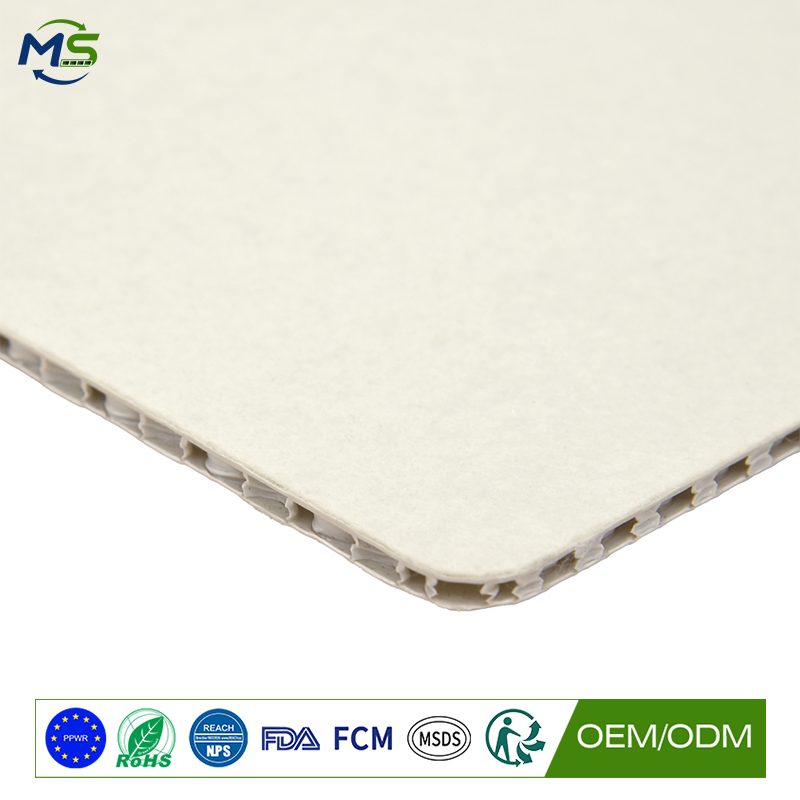
Atrium and void works combine height, public visibility and expensive floors below, so protection has to manage dropped objects as well as traffic. This article looks at protecting atrium floors and working over voids. The focus is dropped-object protection, public visibility and working at height safely.
In an atrium, the floor below is at risk from anything dropped from above, and the consequence is damage plus a safety incident. Protection has to resist impact as well as traffic.
A rigid PP honeycomb protection board absorbs and spreads impact while giving a working surface, and because it is light it can be placed at height without heavy handling.
Confirm the fire performance required, because atrium spaces often have specific material standards.
Atrium works involve impact and equipment, so the middle to upper part of the 2 mm to 12 mm range is typical.
For pedestrian protection below, a mid thickness may be sufficient. Where tools and components are handled above, thicker boards give better impact resistance.
| Board group | Typical thickness | Where it earns its place | Watch-outs |
|---|---|---|---|
| Light-duty panel | 2-3 mm | Pedestrian protection below works | Limited impact resistance |
| General atrium panel | 4-6 mm | Atrium floors under works and light impact | Secure against movement; fire performance |
| Heavy-duty panel | 8-10 mm | Tool and component handling above | Confirm fire and safety requirements |
| Maximum protection | 12 mm | Heaviest works over occupied atrium floors | Use barriers and catch platforms as required |
Keep the protected area tidy and edges finished, because an atrium is usually visible from every floor and poor housekeeping is highly visible.
Secure panels against movement and wind effects in tall spaces, and inspect after any work at height above them.
Coordinate with the building’s safety rules for work over voids, including any requirement for barriers or catch platforms in addition to protection.
Scaffold boards and ply are traditional but heavy to place at height and absorb water in open atria.
Sheeting catches debris but is a trip hazard and offers no impact resistance or working surface.
A PP honeycomb board is light, gives a working surface and resists impact, which suits protection in a tall public space.
Protect one zone below the works and leave a comparable zone on the current method. Inspect after each work-at-height session.
Run a dropped-object test from the working height onto a sample panel under controlled conditions, then inspect both sides.
Record any movement of panels and any impact damage, because in an atrium both signal the need to change the method.
State the floor finish, the works height, what is being handled above and the fire performance required. Ask for the recommended thickness for impact resistance.
Ask for guidance on securing panels in tall spaces and about custom sizes for atrium dimensions.
For a quotation or sample panel, contact service@mingplastics.com or WhatsApp +86 189 3887 1524. Include the surface type, floor area, trades on site and expected duration so the recommended thickness, facing and fire performance can be confirmed before you order.
In atria, specify for impact as well as traffic, secure panels against movement, confirm fire performance and follow the building’s rules for work over voids.


