Address
Building 1, No. 22, Shexi Yongping Road,
Dongguan, Guangdong, China
Work Hours
Monday to Friday: 7AM - 7PM
Weekend: 10AM - 5PM
Address
Building 1, No. 22, Shexi Yongping Road,
Dongguan, Guangdong, China
Work Hours
Monday to Friday: 7AM - 7PM
Weekend: 10AM - 5PM
Store panels flat, dry and out of direct sunlight, stacked with edges aligned and protected rather than resting on a corner. ... Ask Mingskye for a sample.
Store panels flat, dry and out of direct sunlight, stacked with edges aligned and protected rather than resting on a corner. Clean off grit before stacking because trapped grit marks the facing of the panel below. Tag each stack with its phase and inspection date, and record the number of cycles so a decision to retire a panel is based on condition rather than guesswork.
This page covers storing reusable protection panels in six sections: Storing panels on site without ruining them; Cleaning panels between phases without damaging the facing; Inspection: what to check and how often; A reusable protection programme that actually gets reused; Sequencing the protection around the trades; Repairing panels instead of replacing them. Each section answers one practical question and can be read on its own.
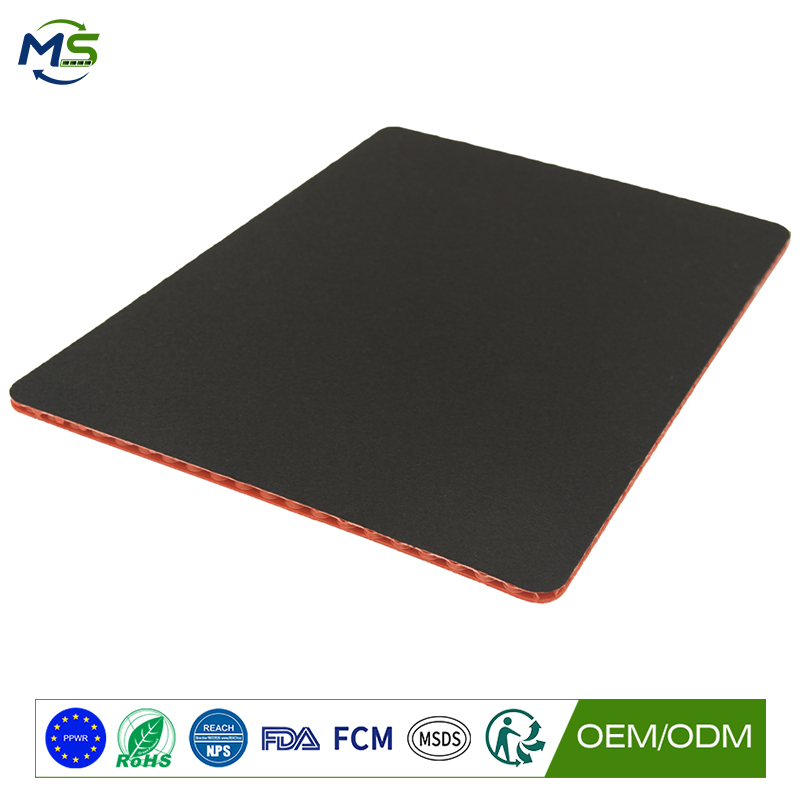
Storage decides whether the panels are still reusable at the end of the phase, and it takes very little discipline to get right.
Panels should be stored flat, in a dry place, away from direct sunlight and away from the edges of a traffic route. Sunlight on a stacked pile heats the faces and can cause the stack to bow, which is difficult to correct.
The stack needs to be rated for the load. A large stack of panels on a weak temporary floor is a real risk, and the loading should be confirmed with whoever designed the temporary works if the stack is more than a few hundred panels.
Panels should be counted and inspected when they come off site, not at the end of the project. A small inspection at the point of collection turns a vague dispute about quantity into a list of specific panels.
Cleaning is what keeps a reusable panel reusable, and the method matters more than the frequency.
The first rule is to clean dry where possible. Vacuum or brush before washing, because grit dragged across a facing during wet cleaning is the main cause of abrasion. Once grit is removed, a mild detergent and a soft brush or cloth is enough.
High-pressure washing and abrasive pads should be avoided, and so should solvent-based cleaners unless the facing is known to be compatible. Solvents can craze polypropylene and will attack some adhesives used on the seam tape.
After cleaning the panels should be dry before they are stacked, and they should be checked for standing water in the core cells. A panel stacked wet will develop odour and staining, and the odour is very difficult to remove later.
For terminology and test-method context see UK Health and Safety Executive. The guidance on this page is practical site guidance, not a test report or a certificate.
A short inspection on a fixed cycle finds a damaged panel before it damages the floor, which is the whole purpose of the protection.
Check for puncture first, especially where equipment stands, and look for any area where the facing is broken or the core is exposed. A puncture is the point at which the substrate below is exposed, and it should be repaired or the panel replaced immediately.
Then check for deformation. A panel that shows a permanent indentation under a load that used to be within its rating has lost capacity and should come out of service, even if it still looks intact.
Then check the seams and edges, because these fail before the panel does. A lifted seam traps grit and the grit causes the scratching. A final check should be made after each trade has finished with an area and before the area is handed over.
| Site question | Short answer | What to check before starting | In this guide |
|---|---|---|---|
| What should be checked about storing panels on site without ruining … | Storage decides whether the panels are still reusable at the end of the phase, and it … | Panels should be stored flat, in a dry place, away from direct sunlight and away … | Section 1 |
| What should be checked about cleaning panels between phases without damaging … | Cleaning is what keeps a reusable panel reusable, and the method matters more than the frequency. | The first rule is to clean dry where possible. Vacuum or brush before washing, because … | Section 2 |
| What should be checked about inspection: what to check and how … | A short inspection on a fixed cycle finds a damaged panel before it damages the floor … | Check for puncture first, especially where equipment stands, and look for any area where the … | Section 3 |
| What should be checked about a reusable protection programme that actually … | Reuse fails when panels are dispersed or damaged quietly, so the programme needs a collection point … | The single most effective measure is a designated collection point at the end of each … | Section 4 |
Reuse fails when panels are dispersed or damaged quietly, so the programme needs a collection point, a count and an inspection.
The single most effective measure is a designated collection point at the end of each phase, with panels returned to it rather than left in the area. Panels left in an area are usually reused once by whoever finds them, and then lost.
Counts matter. A panel count at issue, at return and at the end of the project is the only way to know whether the reuse assumption in the cost model is real, and it is also what allows the fleet to be right-sized for the next phase.
Inspection at return separates serviceable panels from damaged ones. A panel with a broken face or a crushed core goes to a repair or disposal route, and the remaining fleet stays at full strength. Without this step the fleet gradually fills with damaged panels that fail under load.
Most protection disputes come from a sequencing error, where a floor is protected before the trades that need access to it have finished.
The sequence of trades and the sequence of protection have to be planned together. Laying protection before the screeding, painting or wet trades have finished is the most common cause of a protection layer being removed and reinstalled, and it is pure waste.
A workable plan divides the floor into zones by trade and states the order in which the protection is lifted, worked on and relaid. Zone boundaries then follow the natural work sequence, so material moves in one direction across the floor and the protected area shrinks progressively rather than randomly.
The plan should also state who removes the protection, who inspects the substrate at removal, and who confirms the area is clear before the next trade arrives. Those three responsibilities are the ones most often left undefined.
Most damaged panels can be repaired, and in a fleet with a planned maintenance step that is usually cheaper than replacing them.
A puncture in the face is a patch job. Clean the area, dry it, and apply a compatible patch larger than the hole, sealed around the edges. The patch needs to be a material that bonds to the facing and that will not become a hard spot under traffic.
A crushed core cannot be repaired, because the internal structure has been permanently deformed. That panel can only be used on a lower duty, such as a vertical wall covering or a storage cover, and it should be marked so that it is not returned to a load-bearing role.
A cracked face with a sound core can often be recovered by trimming back to sound material and protecting the exposed edge. Recording the repair on the panel’s own history, so that a repaired panel is accounted for in the inspection regime, is what keeps the fleet trustworthy.
Storage decides whether the panels are still reusable at the end of the phase, and it takes very little discipline to get right. Panels should be stored flat, in a dry place, away from direct sunlight and away from the edges of a traffic route …
Cleaning is what keeps a reusable panel reusable, and the method matters more than the frequency. The first rule is to clean dry where possible. Vacuum or brush before washing, because grit dragged across a facing during wet …
Reuse fails when panels are dispersed or damaged quietly, so the programme needs a collection point, a count and an inspection. The single most effective measure is a designated collection point at the end of each phase, with panels returned to it rather …
Most damaged panels can be repaired, and in a fleet with a planned maintenance step that is usually cheaper than replacing them. A puncture in the face is a patch job. Clean the area, dry it, and apply a compatible patch larger than the …
References checked by publisher and title on 2026-11-06. Standards and regulations are cited by name only; no performance values are attributed to them. General material-property figures in the text are indicative reference values for polypropylene and should be verified against your supplier’s current data sheet. Confirm applicability and current versions for your own project before relying on any of them.
For a quotation, a sample panel or help matching a thickness and facing to your site conditions, contact service@mingplastics.com or WhatsApp +86 189 3887 1524. Include the surface type, floor area, the trades working overhead and the expected duration so the recommended specification can be confirmed before you order.
For storing reusable protection panels, Walk the route, agree the seam method and photograph the floor before the first panel is laid. Most damaged panels can be repaired, and in a fleet with a planned maintenance step that is usually cheaper than replacing them.


