Address
Building 1, No. 22, Shexi Yongping Road,
Dongguan, Guangdong, China
Work Hours
Monday to Friday: 7AM - 7PM
Weekend: 10AM - 5PM
Address
Building 1, No. 22, Shexi Yongping Road,
Dongguan, Guangdong, China
Work Hours
Monday to Friday: 7AM - 7PM
Weekend: 10AM - 5PM
Lift modernisation forces all traffic onto stairs. This guide covers thickness from 2 mm to 12 mm, nosings, lobbies and a lift works trial plan.
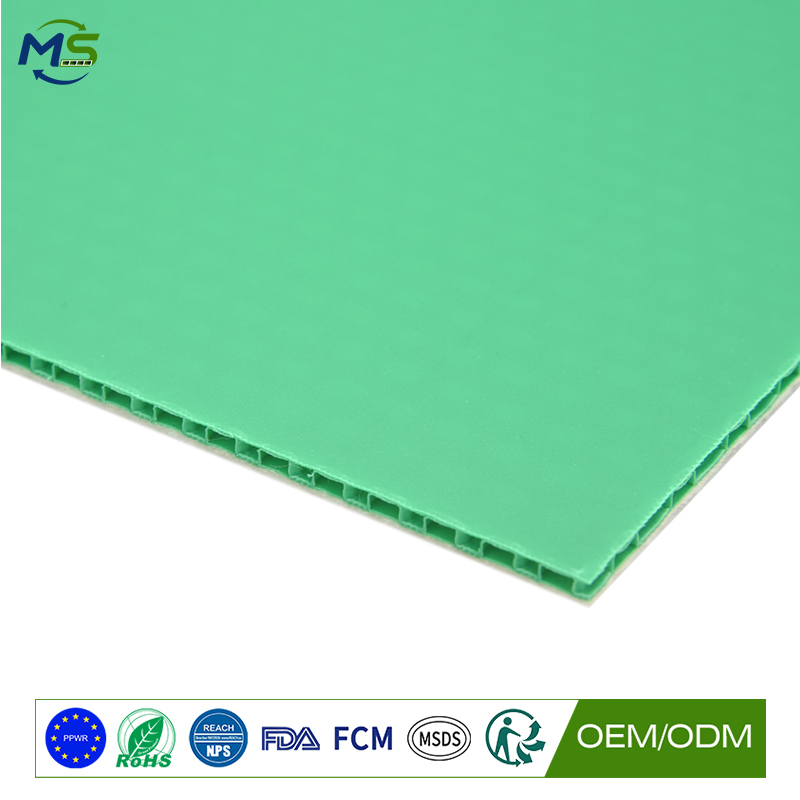
Lift modernisation puts a building’s only vertical access out of service, which concentrates all material movement onto stairs and makes lift lobbies the busiest places on site. This article looks at protecting floors and lobbies during lift works. The focus is stair routes, lobby protection and managing a building without its lift.
When a lift is out, everything moves by stairs: materials, tools, and often residents’ belongings. Stair nosings and landings suddenly carry loads they were never meant to.
A rigid PP honeycomb protection board protects stair treads and nosings, and gives landings a surface where materials can be set down safely.
Because the panels are light, they can be carried up the stair they are protecting, which matters when there is no lift.
Lift modernisation works concentrate traffic on stairs, so the middle part of the 2 mm to 12 mm range is usually right for treads and landings.
For foot traffic a mid thickness is enough. Where materials and components are carried and set down on landings, thicker boards protect against concentrated loads.
| Board group | Typical thickness | Where it earns its place | Watch-outs |
|---|---|---|---|
| Light-duty panel | 2-3 mm | Landings with foot traffic only | Wears at nosings under carried loads |
| General stair panel | 4-6 mm | Stair treads and landings during lift works | Cover nosings fully; secure panels |
| Heavy-duty panel | 8-10 mm | Landing set-down zones and component staging | Check landing capacity |
| Maximum protection | 12 mm | Heavy lift component moves on stairs | Confirm stair and landing capacity |
Protect each lift lobby on every floor, because that is where components are staged and where damage becomes a landlord issue.
Protect landing set-down zones specifically, since carried items are put down at every level.
Keep the stair route clear and complete, and inspect nosings daily, because a worn nosing during lift works is both damage and a safety issue.
Cardboard on stairs compresses and slides, which is dangerous when the stair is the only access route.
Films tear on nosings within hours of heavy use. Plywood protects but is heavy to carry up the very stair that needs protecting.
A PP honeycomb board is light enough to carry up, rigid enough for nosings and re-usable across the whole programme.
Protect one stair flight and one landing, leaving comparable areas on the current method. Inspect daily at the start and end of each working day.
Run a carried-load test up the protected stair, then lift panels and check nosings and landings.
Record nosing wear and any lobby damage, because during lift works those are the two areas that generate complaints.
State the stair and landing finishes, the floor count, what will be carried and the fire performance required for escape stairs. Ask for the recommended thickness for treads.
Ask whether the stair is an escape route, and request guidance on keeping it usable, plus custom cuts for uniform treads.
For a quotation or sample panel, contact service@mingplastics.com or WhatsApp +86 189 3887 1524. Include the surface type, floor area, trades on site and expected duration so the recommended thickness, facing and fire performance can be confirmed before you order.
During lift works, protect stair nosings and every lift lobby, secure panels on the only access route, and inspect daily.


