Address
Building 1, No. 22, Shexi Yongping Road,
Dongguan, Guangdong, China
Work Hours
Monday to Friday: 7AM - 7PM
Weekend: 10AM - 5PM
Address
Building 1, No. 22, Shexi Yongping Road,
Dongguan, Guangdong, China
Work Hours
Monday to Friday: 7AM - 7PM
Weekend: 10AM - 5PM
Care home works happen around residents full time. This guide covers thickness from 2 mm to 12 mm, mobility transitions, phased works and a care home trial plan.
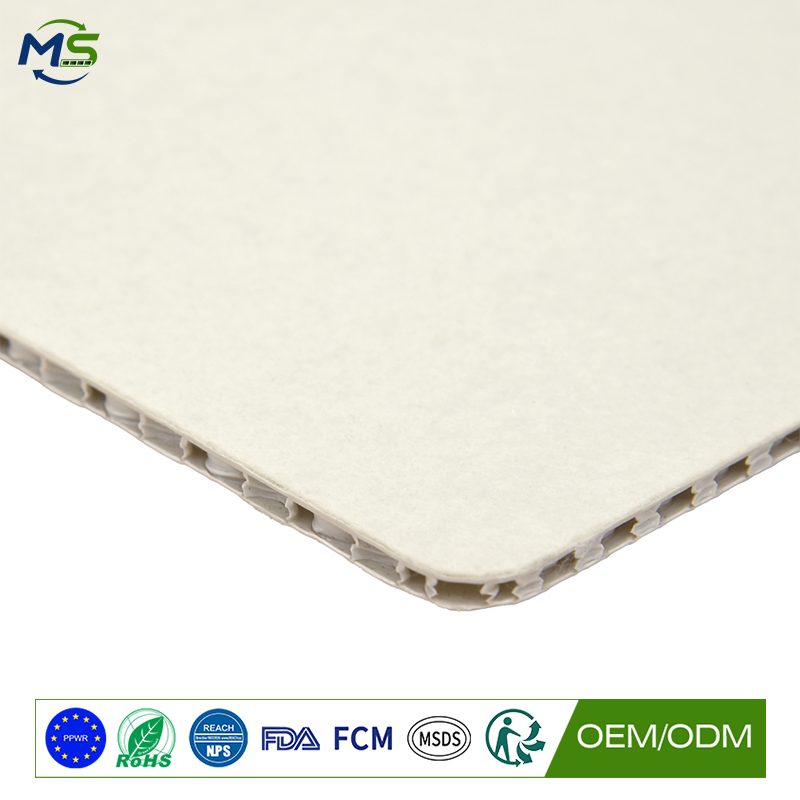
Care homes combine the safety expectations of a healthcare setting with residents who live there full time, many with mobility or cognitive impairments. Works cannot be separated from daily life. This article looks at protecting floors in care homes during refurbishment. The focus is resident safety, infection control and phased works around occupied rooms.
Unlike an office, a care home cannot be vacated for works. Residents move through protected areas daily, many with walking aids or wheelchairs, so protection must be safe under those conditions at all times.
A rigid PP honeycomb protection board lies flat and, with finished edges and seams, does not create the trip hazard that a curling film or runner would.
Because the boards are non-absorbing and wipe-clean, they meet the cleaning standards expected in a care environment.
Care home floors carry wheelchairs, walking frames, trolleys and beds, so the thinner to middle part of the 2 mm to 12 mm range is usually appropriate to keep transitions minimal.
For corridor works a mid thickness is enough. Where beds and equipment move, thicker boards protect the floor while transitions are built at the panel edges.
| Board group | Typical thickness | Where it earns its place | Watch-outs |
|---|---|---|---|
| Light-duty panel | 2-3 mm | Decorating in rooms temporarily out of use | Not for bed or equipment moves |
| General care panel | 4-6 mm | Corridors with wheelchairs and walking frames | Build transitions at edges |
| Heavy-duty panel | 8-10 mm | Bed and equipment moves along corridors | Check transition detail carefully |
| Maximum protection | 12 mm | Heavy installation work, ideally in vacated wings | Avoid where residents are walking |
Confirm infection control and fire performance requirements before ordering, and keep the documentation available for inspection.
Phase the works so that residents always have a clear, safe route, and keep that route as direct as possible because residents may not follow signed diversions.
Build transitions at panel edges so wheelchairs and walking frames are not stopped by a sudden step, and inspect at every shift handover.
Films and carpet runners lift and curl under wheelchairs and walking frames, which is dangerous for residents and needs constant attention.
Plywood is heavy to move between phases and its edges create a step that is a genuine hazard for someone with limited mobility.
A PP honeycomb board lies flat, has manageable edges and is wipe-clean, which suits a residential care environment.
Protect one corridor or wing and keep a comparable area on the current method. Inspect at every shift handover and photograph the same points.
Run a wheelchair and walking frame test over the panels and transitions, then adjust the edge detail if there is any resistance.
Record infection control and fire documentation and any near-miss, because in a care setting those records matter.
State the floor type, the mobility aids in use, whether residents are present during works and the infection control and fire requirements. Ask for the recommended thickness.
Ask for guidance on edge transitions and on phased working around occupied rooms.
For a quotation or sample panel, contact service@mingplastics.com or WhatsApp +86 189 3887 1524. Include the surface type, floor area, trades on site and expected duration so the recommended thickness, facing and fire performance can be confirmed before you order.
In care homes, keep transitions minimal, finish every edge, inspect at each shift handover and confirm infection control and fire documentation before starting.


