Address
Building 1, No. 22, Shexi Yongping Road,
Dongguan, Guangdong, China
Work Hours
Monday to Friday: 7AM - 7PM
Weekend: 10AM - 5PM
Address
Building 1, No. 22, Shexi Yongping Road,
Dongguan, Guangdong, China
Work Hours
Monday to Friday: 7AM - 7PM
Weekend: 10AM - 5PM
Spa floors are wet, heated and tactile. This guide covers thickness from 2 mm to 12 mm, moisture control, underfloor heating and a spa trial plan.
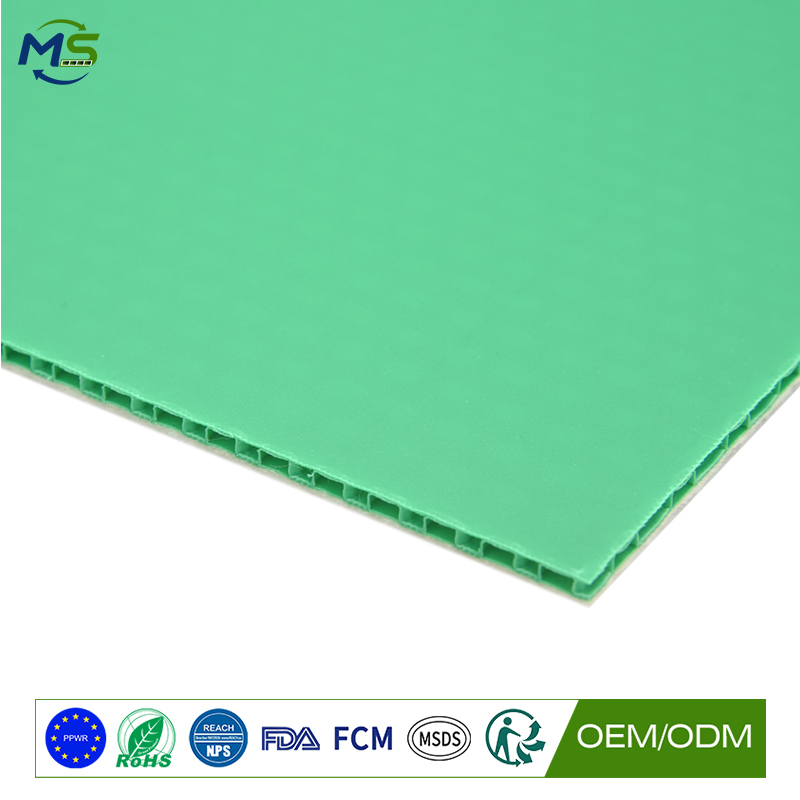
Spas combine wet rooms, heated floors and finishes that are chosen for how they feel underfoot, which makes damage both expensive and immediately noticeable to clients. Works happen around water and heat. This article looks at protecting spa and wellness floors. The focus is wet areas, heated floors and protecting tactile finishes.
Spa floors are often heated and permanently damp, so a covering that traps moisture or insulates the surface can affect both the floor system and the client experience.
A PP honeycomb protection board does not absorb water and can be lifted and aired, which suits an environment where moisture management is continuous.
Confirm any underfloor heating requirements with the supplier before covering the floor for a long period.
Spa areas carry foot traffic and occasional equipment and furniture, so the thinner to middle part of the 2 mm to 12 mm range is usually sufficient.
For pedestrian works a mid thickness is enough. Where treatment beds, plant or water features are installed, thicker boards protect the finish.
| Board group | Typical thickness | Where it earns its place | Watch-outs |
|---|---|---|---|
| Light-duty panel | 2-3 mm | Dry areas and pedestrian routes in spas | Not for plant or bed installation |
| General wet-room panel | 4-6 mm | Spa floors under works traffic | Keep drainage clear; air over heated floors |
| Heavy-duty panel | 8-10 mm | Treatment beds, plant and water features | Confirm finish tolerance |
| Maximum protection | 12 mm | Heavy spa plant installation | Confirm structural capacity |
Keep drainage channels and wet room gullies clear, because spa drainage is designed around specific falls and flows.
Lift panels periodically and dry both surfaces, especially over heated floors, so that trapped evaporation does not affect the floor build-up.
Use a soft facing against stone, mosaic or timber finishes, because those surfaces are chosen for how they feel and any abrasion is immediately visible.
Wet-room matting is the correct permanent answer for underfoot comfort and drainage, but it is not a temporary works protection.
Plywood absorbs water, warps over heated floors and can stain finishes beneath.
Plastic sheeting traps condensation and is slippery when wet. A PP honeycomb board is non-absorbing, lifts cleanly and lies flat under barefoot traffic.
Protect one wet area and leave a comparable area on the current method. Inspect daily, including under the panels for condensation.
Run a wet test through normal operation, then lift and check the finish and the drainage.
Record any condensation and drainage performance, because in a wet room those are the measures that matter.
State the floor finish, whether there is underfloor heating, the drainage layout and the expected loads. Ask for the recommended thickness and a soft facing, and confirm the board is non-absorbing.
Ask for guidance on lift-and-air schedules over heated floors and on keeping channels clear.
For a quotation or sample panel, contact service@mingplastics.com or WhatsApp +86 189 3887 1524. Include the surface type, floor area, trades on site and expected duration so the recommended thickness, facing and fire performance can be confirmed before you order.
In spas, manage moisture and heat: use a non-absorbing board, keep drainage clear, air the panels over heated floors and protect tactile finishes with a soft facing.


