Address
Building 1, No. 22, Shexi Yongping Road,
Dongguan, Guangdong, China
Work Hours
Monday to Friday: 7AM - 7PM
Weekend: 10AM - 5PM
Address
Building 1, No. 22, Shexi Yongping Road,
Dongguan, Guangdong, China
Work Hours
Monday to Friday: 7AM - 7PM
Weekend: 10AM - 5PM
Guestroom renovation repeats one scope many times. This guide covers thickness from 2 mm to 12 mm, bathrooms, thresholds and a guestroom trial plan.
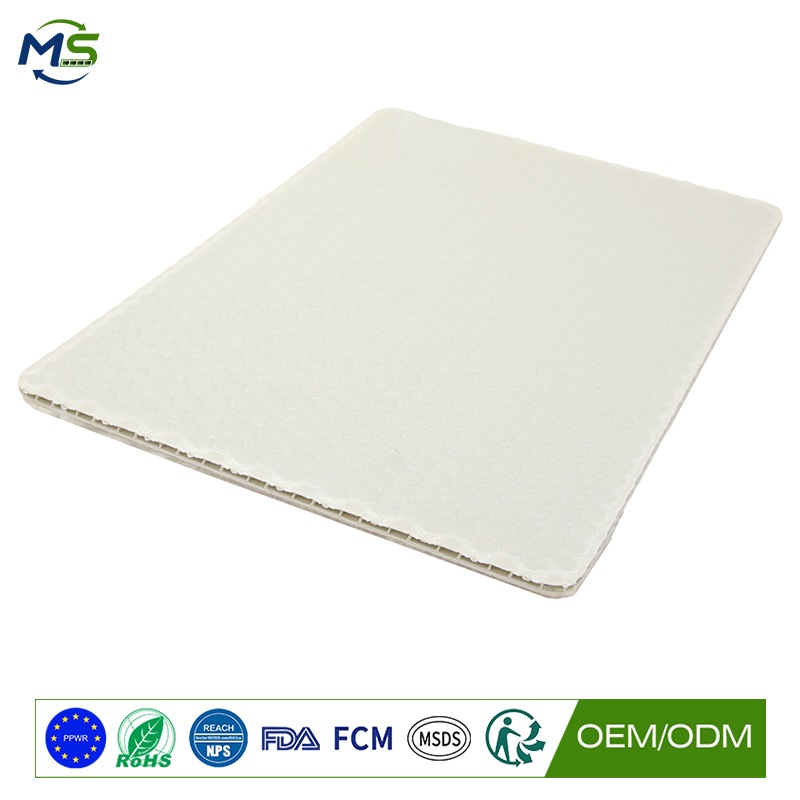
Guestroom renovation is repetitive: the same room, the same sequence, dozens of times. That repetition is what makes a re-usable board worthwhile and what makes a poor detail expensive, because a bad detail is repeated in every room. This article looks at protecting guestroom floors and bathrooms during renovation. The focus is repeatability, bathroom wet areas and turning rooms around quickly.
A hotel renovation repeats one room scope many times, so the cost of protection should be compared per room across the programme rather than per square metre.
A PP honeycomb protection board can be lifted from one room, cleaned and re-laid in the next, which is where a re-usable board beats a single-use roll on a phased programme.
Because the panels are light, a small team can move them between rooms without delaying the sequence.
Guestroom works involve foot traffic, tools and furniture, so the thinner to middle part of the 2 mm to 12 mm range is usually sufficient.
For carpet and soft flooring replacement a mid thickness is enough. Where bathroom fittings, stone thresholds or heavy furniture are moved, thicker boards protect the floor and the threshold detail.
| Board group | Typical thickness | Where it earns its place | Watch-outs |
|---|---|---|---|
| Light-duty panel | 2-3 mm | Carpet areas and light decorating work | Not for fitting and furniture moves |
| General room panel | 4-6 mm | Guestroom floors under renovation traffic | Lift and dry between wet tasks |
| Heavy-duty panel | 8-10 mm | Furniture moves and bathroom fitting installation | Protect the bathroom threshold |
| Maximum protection | 12 mm | Stone thresholds and heavy fitting moves | More than standard room work needs |
Bathroom works bring water and sanitary fittings into a finished room. Use non-absorbing protection and lift it to dry the floor between wet tasks.
Protect the bathroom threshold, which is where fittings are carried through and where floors most often chip.
Plan the turnaround: protection has to be laid and cleared within the room’s slot, so handling speed matters as much as performance.
Films protect finished surfaces well before fitting but tear during works and are single-use across dozens of rooms.
Paper and cardboard absorb bathroom water, tear under toolboxes and need replacing in every room, which costs labour in a repetitive programme.
A PP honeycomb board is non-absorbing, light and re-usable room after room, which suits the repetitive rhythm of guestroom renovation.
Protect one room with the board and renovate a comparable room with the current method. Inspect at handover and photograph the same floor and threshold points.
Run a furniture move test over the panels, then lift and inspect the floor beneath.
Record how many rooms each panel survived and the lay and clear time per room, because those numbers decide the business case.
State the floor finishes, the bathroom layout, the room count and the programme sequence. Ask for the recommended thickness and facing, and confirm the board is non-absorbing.
Ask for guidance on thresholds and on cleaning between rooms, plus custom sizes for repeated room layouts.
For a quotation or sample panel, contact service@mingplastics.com or WhatsApp +86 189 3887 1524. Include the surface type, floor area, trades on site and expected duration so the recommended thickness, facing and fire performance can be confirmed before you order.
For guestroom programmes, choose a board that can be cleaned and re-laid room after room, protect thresholds and bathroom wet areas, and track reuse per room.


