Address
Building 1, No. 22, Shexi Yongping Road,
Dongguan, Guangdong, China
Work Hours
Monday to Friday: 7AM - 7PM
Weekend: 10AM - 5PM
Address
Building 1, No. 22, Shexi Yongping Road,
Dongguan, Guangdong, China
Work Hours
Monday to Friday: 7AM - 7PM
Weekend: 10AM - 5PM
Mezzanine erection applies the least controlled loads on site. This guide covers thickness from 2 mm to 12 mm, set-down zones and a mezzanine trial plan.
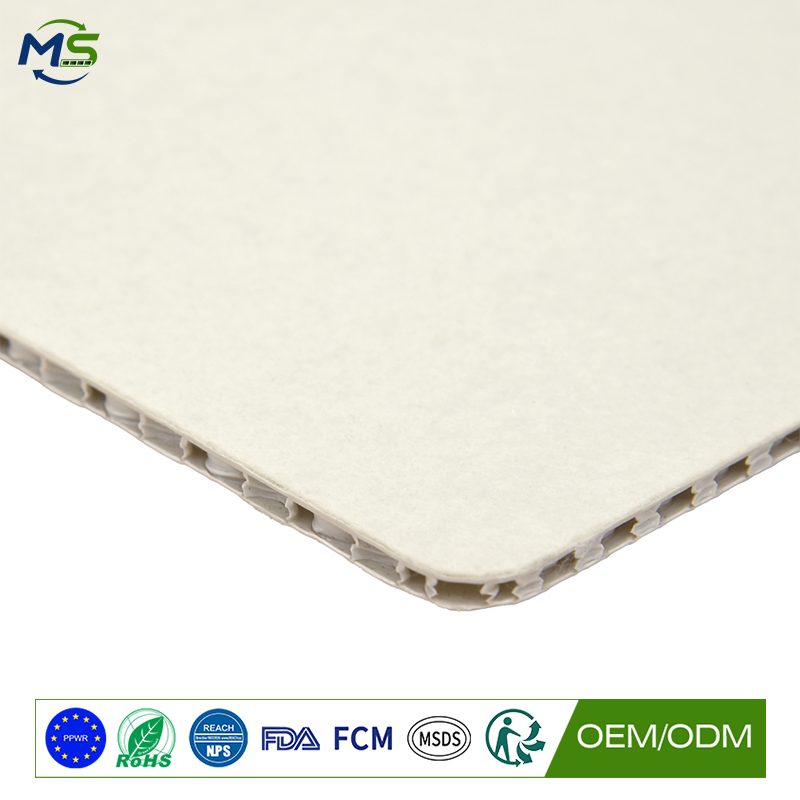
Mezzanine installation puts structural steel onto a finished floor during erection, and the worst loads occur before the structure is stable: components set down, dragged and lifted into place. This article looks at protecting floors during mezzanine and structural installation. The focus is erection loads, set-down zones and protecting the floor beneath temporary instability.
Once a mezzanine is complete its loads are designed and distributed. During erection the same weight is applied temporarily at points, often with dynamic effects as components are positioned.
A rigid PP honeycomb protection board spreads those set-down and dragging loads, protecting the slab and any coating during the least controlled phase.
Because the panels are light, they can be repositioned quickly as the erection sequence moves across the floor.
Mezzanine work justifies the upper part of the 2 mm to 12 mm range, because steel components concentrate significant weight onto small contact areas.
For pedestrian routes around the works a mid thickness is enough. Under set-down zones and column base positions, the thickest boards give the spreading that protects the floor.
| Board group | Typical thickness | Where it earns its place | Watch-outs |
|---|---|---|---|
| Light-duty panel | 2-3 mm | Pedestrian routes around the erection area | Unsuitable under steel components |
| General erection panel | 4-6 mm | Working areas with light component handling | Keep clear of the crew’s working zone |
| Heavy-duty panel | 8-10 mm | Set-down zones and column base positions | Check after each lift |
| Maximum protection | 12 mm | Heaviest steel components and plant | Confirm slab capacity before erection |
Identify the set-down and lifting zones before erection starts, and protect those areas first, because that is where every component will land.
Protect column base positions with thicker panels, and check them after each lift, since those points carry the highest loads.
Keep the panels clear of the erection crew’s working area where possible, and agree the sequence so protection moves with the work rather than obstructing it.
Steel plate is the strongest option but is heavy and slow to place, and in an active erection zone that matters.
Plywood is the usual choice and works, but it absorbs water, crushes at the edges and is awkward to move between set-down points.
Timber offcuts are inconsistent and can fail unpredictably under steel loads. A PP honeycomb board gives known performance and is light enough to reposition with the sequence.
Protect the set-down zone and one column base position, leaving comparable positions on the current method. Inspect after each lift.
Run a set-down test with the heaviest component, then lift and inspect the slab and coating.
Record any crushing or indentation and whether panels could be repositioned quickly enough to keep up with the sequence.
State the slab and coating type, the component weights, the set-down zones and the erection sequence. Ask for the recommended thickness for concentrated steel loads.
Ask for guidance on protecting column bases and on repositioning panels during the sequence, plus custom sizes for standard bay grids.
For a quotation or sample panel, contact service@mingplastics.com or WhatsApp +86 189 3887 1524. Include the surface type, floor area, trades on site and expected duration so the recommended thickness, facing and fire performance can be confirmed before you order.
Protect set-down zones and column bases first, use the thick end of the range under steel, and inspect after every lift as the erection sequence progresses.


