Address
Building 1, No. 22, Shexi Yongping Road,
Dongguan, Guangdong, China
Work Hours
Monday to Friday: 7AM - 7PM
Weekend: 10AM - 5PM
Address
Building 1, No. 22, Shexi Yongping Road,
Dongguan, Guangdong, China
Work Hours
Monday to Friday: 7AM - 7PM
Weekend: 10AM - 5PM
Factory shutdowns compress work into days on coated floors. This guide covers thickness from 2 mm to 12 mm, drainage, coating care and a shutdown trial plan.
Factory maintenance happens in a compressed shutdown window, on floors that are already carrying production loads and often have coatings or drainage falls. Damage during a shutdown costs production time, not just repair. This article looks at protecting factory floors during maintenance and installation. The focus is shutdown timing, coating protection and working around existing services.
A maintenance shutdown compresses weeks of work into days, so protection has to be placed quickly and be reliable enough that nobody stops to re-lay it while the clock runs.
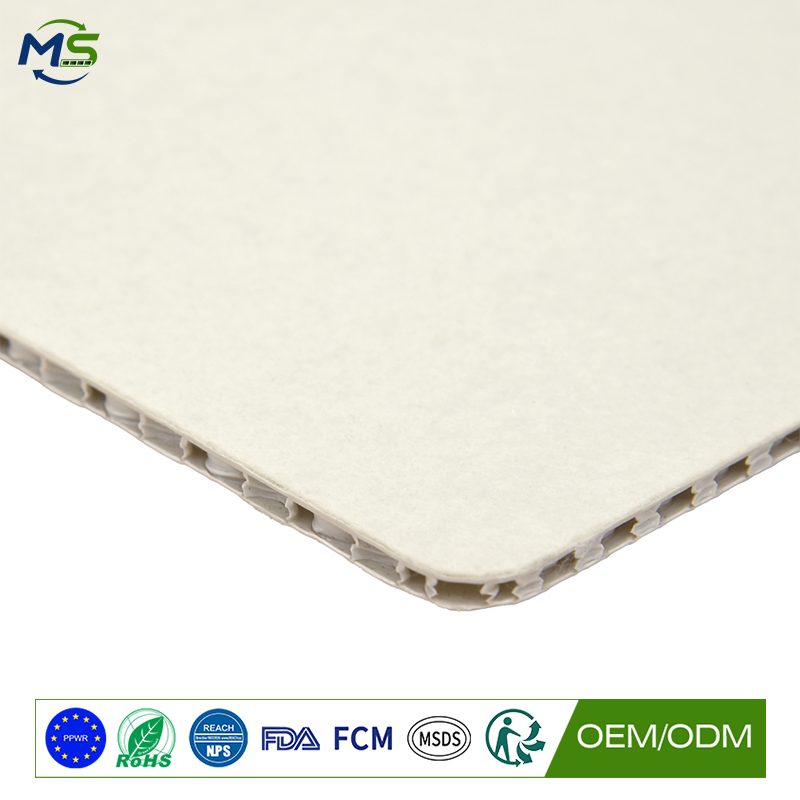
A rigid PP honeycomb protection board is light enough to place quickly across a large floor and stays put under the traffic that a shutdown generates.
Because the panels do not absorb water or oil, they suit factory environments where spills and washdown are part of normal operation.
Factory floors carry the heaviest routine loads, so the upper part of the 2 mm to 12 mm range is usually appropriate for shutdown works.
For pedestrian routes around the works a mid-to-heavy board is sufficient. Where plant, components or forklifts cross the protected area, thicker boards protect both the slab and any coating.
| Board group | Typical thickness | Where it earns its place | Watch-outs |
|---|---|---|---|
| Light-duty panel | 2-3 mm | Pedestrian routes around shutdown works | Unsuitable wherever vehicles operate |
| General plant panel | 4-6 mm | Factory floors under maintenance traffic | Keep drainage and gullies clear |
| Heavy-duty panel | 8-10 mm | Forklift and plant component moves | Check coating tolerance to point loads |
| Maximum protection | 12 mm | Machine installation and heaviest plant moves | Confirm slab capacity before loading |
Identify coated areas before specifying, because a coating has its own tolerance to point loads and to trapped moisture. Confirm the coating supplier’s requirements.
Keep protection clear of drainage channels and gullies so washdown and spill routes still work, and so water is not dammed against the floor.
Mark and protect floor-mounted services, conduit and machine anchorage, because those are the points where concentrated loads cause the most expensive damage.
Steel plate is strongest but slow to place and a manual-handling risk in a tight shutdown. Plywood is common but absorbs oil and water and crushes at the edges.
Plastic sheeting slides under forklift wheels and offers no load spreading at all, which makes it unsuitable wherever vehicles operate.
A PP honeycomb board gives load spreading at manageable weight, resists oil and water and can be placed quickly, which suits the compressed shutdown programme.
Protect one work zone before the shutdown and keep a comparable zone on the current method. Inspect at each shift, since shutdown work runs continuously.
Run a forklift test with a rated load over the panels, then lift and inspect both the slab and the coating.
Record placement time per square metre and panel condition afterwards, because in a shutdown those numbers decide whether the method is used again.
State the slab and coating type, the vehicle loads, the drainage layout and the shutdown duration. Ask for the recommended thickness and confirm resistance to oil and water.
Ask for guidance on keeping drainage clear and on protecting floor-mounted services, plus custom sizes for regular bay grids.
For a quotation or sample panel, contact service@mingplastics.com or WhatsApp +86 189 3887 1524. Include the surface type, floor area, trades on site and expected duration so the recommended thickness, facing and fire performance can be confirmed before you order.
In a shutdown, choose protection that can be placed fast and survives vehicle traffic. Keep drainage clear, confirm coating tolerances and protect floor-mounted services.


