Address
Building 1, No. 22, Shexi Yongping Road,
Dongguan, Guangdong, China
Work Hours
Monday to Friday: 7AM - 7PM
Weekend: 10AM - 5PM
Address
Building 1, No. 22, Shexi Yongping Road,
Dongguan, Guangdong, China
Work Hours
Monday to Friday: 7AM - 7PM
Weekend: 10AM - 5PM
Strip-out damage hits retained floors, lifts and routes. This guide covers thickness from 2 mm to 12 mm, debris management, panel retirement and a strip-out trial plan.
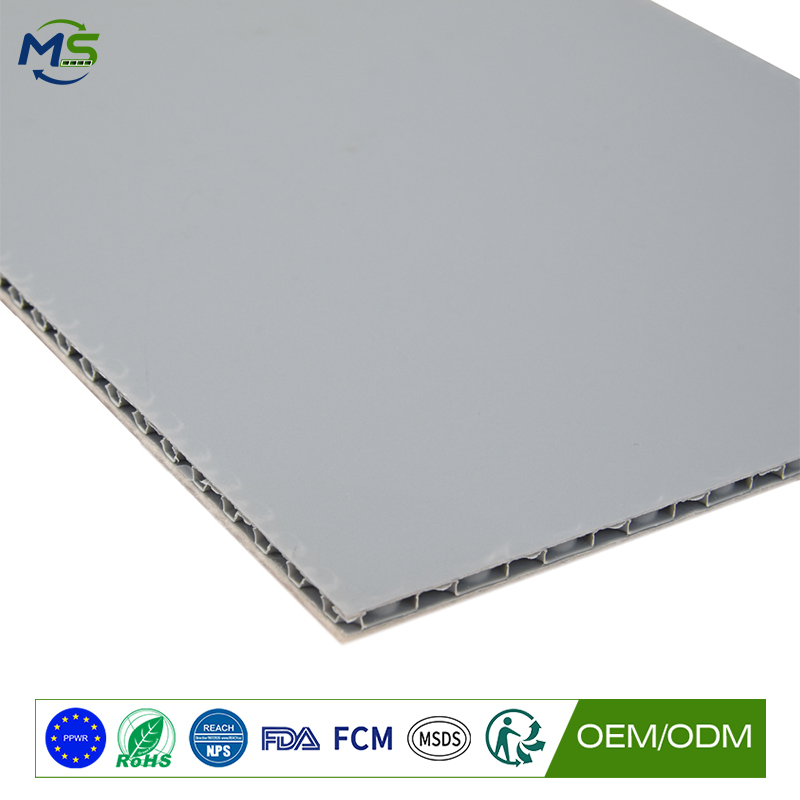
Strip-out is the most destructive phase on any refurbishment, and the surfaces that survive it are usually the ones that were deliberately protected: the floor being kept, the lift, the stair and the route to the skip. This article looks at protection during strip-out and demolition. The focus is debris, impact and keeping a safe route through a destructive phase.
Unlike fit-out, where everything is new, strip-out has a short list of things worth protecting: retained floors, lift cars, stairs and the route out. Protecting those is what keeps the next phase on programme.
A rigid PP honeycomb protection board resists impact and puncture from debris better than a film or sheet, and it stays in place while materials are dragged over it.
Because the panels are re-usable, the same boards can be moved from the strip-out route into the fit-out route once the phase changes.
Strip-out involves dropped debris and dragged materials, so the middle to upper part of the 2 mm to 12 mm range is normally appropriate.
For pedestrian routes through a strip-out area a mid thickness is enough. Where debris is dropped or materials are dragged, thicker boards resist puncture and spreading impact.
| Board group | Typical thickness | Where it earns its place | Watch-outs |
|---|---|---|---|
| Light-duty panel | 2-3 mm | Pedestrian routes through light strip-out | Punctures under dropped debris |
| General strip-out panel | 4-6 mm | Retained floors along debris routes | Sweep regularly; retire punctured panels |
| Heavy-duty panel | 8-10 mm | Dragged materials and heavier debris | Heavier to reposition as works move |
| Maximum protection | 12 mm | Heavy demolition with retained floors beneath | More than soft strip needs |
Sweep the protected route regularly. Debris left on panels becomes grit that is then ground into the floor underneath when the panel flexes.
Keep the route clear and signed, and separate it from the debris removal path wherever possible, because the two create different risks.
Inspect panels for puncture and retire damaged ones, since a punctured panel no longer protects against the next drop.
Plywood is the usual strip-out protection and works, but it is heavy, splinters and absorbs water from wet demolition work.
Plastic sheeting is cheap but punctures and slides exactly when it is needed most, and it creates a trip hazard in a debris-strewn area.
Timber offcuts are inconsistent and often contaminated. A PP honeycomb board gives known performance, is light enough to reposition as the works progress and can be reused in the next phase.
Protect the retained route and leave a comparable section on the current method. Inspect at the end of each day, recording punctures, impact damage and any floor damage.
Run a drop test with representative debris onto a sample panel, then check the floor underneath.
Record how many panels survived the phase, because that tells you what can be carried into the fit-out rather than re-purchased.
State what is being stripped, what is being retained, the route layout and whether wet demolition is involved. Ask for the recommended thickness for impact and puncture resistance.
Ask for guidance on inspection and retirement criteria, on cleaning between phases and about custom sizes for standard corridor routes.
For a quotation or sample panel, contact service@mingplastics.com or WhatsApp +86 189 3887 1524. Include the surface type, floor area, trades on site and expected duration so the recommended thickness, facing and fire performance can be confirmed before you order.
Protect the short list of retained surfaces and the route out. Use the thick end of the range under debris, sweep grit off the panels and retire punctured boards.


